
There are no projects in the garbage can.
The study, entitled “Assessing the translational relevance of specific molecular pathways in spontaneous lupus mouse models”, examines the extent to which different spontaneous mouse models reproduce the molecular alterations observed in patients with the disease
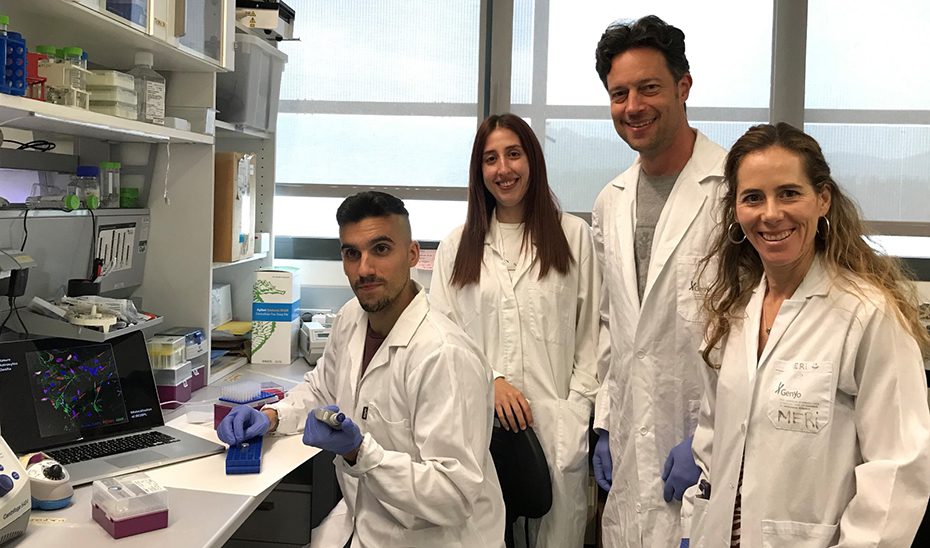
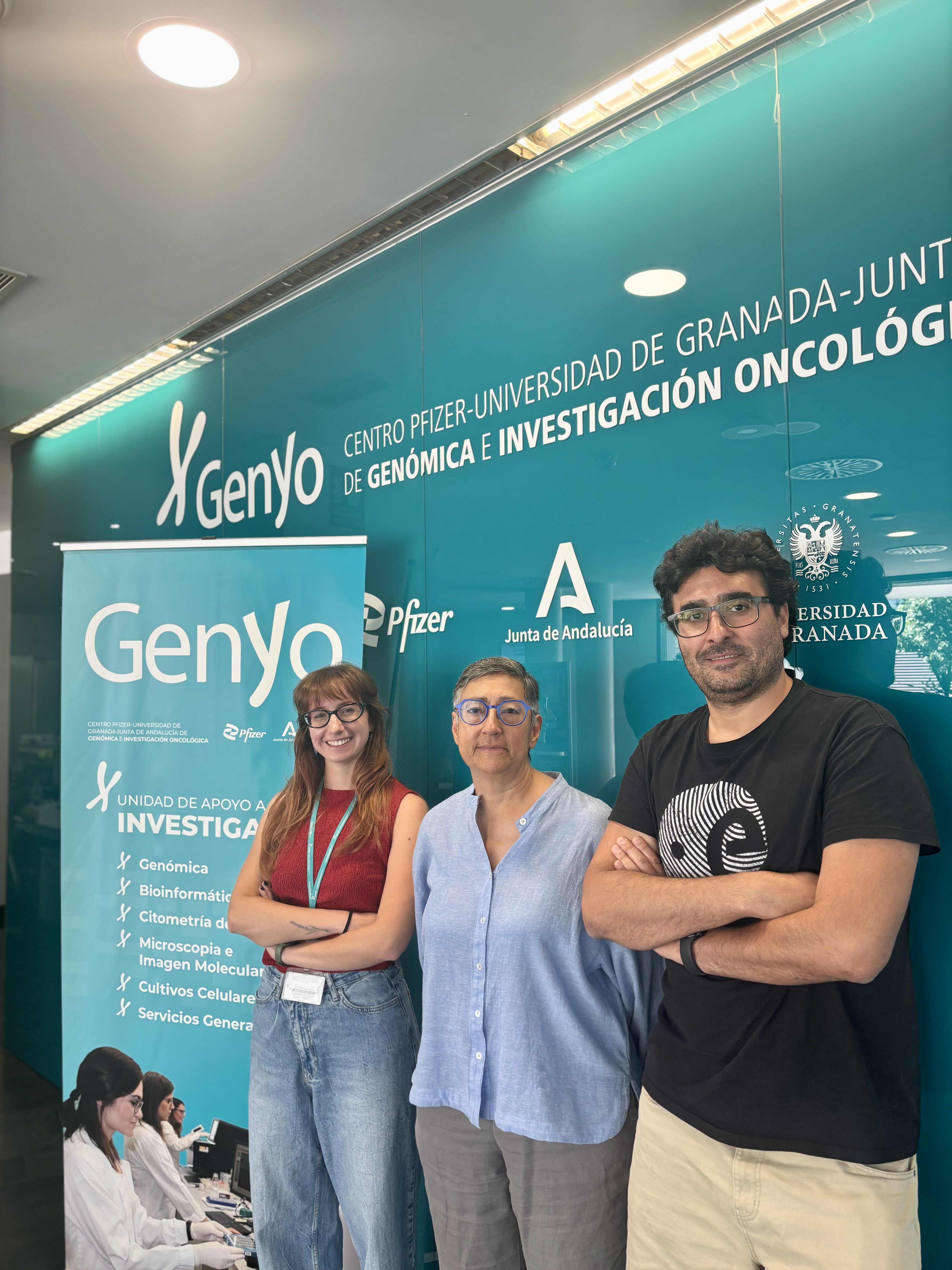
Researchers from the Pfizer-University of Granada-Regional Government of Andalusia Centre for Genomics and Cancer Research (GENYO) —, the Progreso y Salud Public Foundation and the University of Granada have participated in a new study published in the journal Frontiers in Immunology, which provides new insights into improving the use of animal models in research into systemic lupus erythematosus, a complex autoimmune disease characterised by significant clinical and molecular heterogeneity.
Systemic lupus erythematosus is a disease in which the immune system loses tolerance towards the body’s own components, causing inflammation and damage to various organs. This complexity means that there is no single experimental model capable of reproducing all aspects of the human disease. Therefore, selecting the appropriate model based on the molecular pathway or immunological mechanism to be studied is essential for designing more precise preclinical research.
One of the study’s key contributions is that it does not merely compare the disease in mice and humans in general terms, but identifies which models are best suited to studying specific molecular pathways and at what stage of the disease’s progression they may provide the most valuable insights. This may help to improve the design of future preclinical studies in the search for new drugs and targets, optimising the choice of experimental models and reducing results that are poorly transferable to human disease.
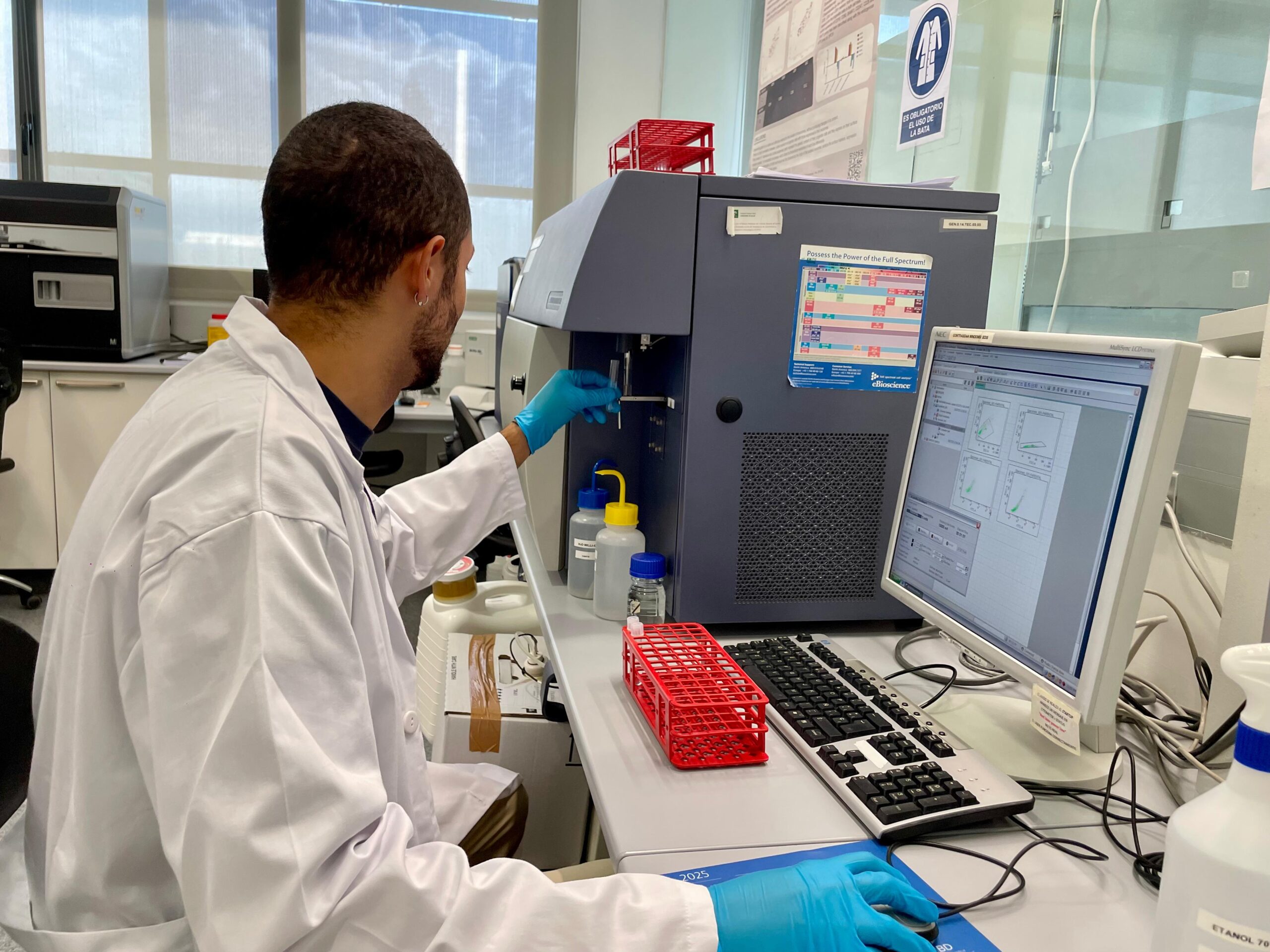
In this study, the researchers integrated molecular data obtained from transcriptomics, flow cytometry, cytokines and autoantibodies, analysing blood, spleen and kidney samples at different stages of disease progression. This approach enabled them to observe how immunological alterations evolve in each model and to compare them with the molecular patterns detected in patients with lupus.
The results show that the Tlr7.Tg6 and MRL lpr/lpr models best reflect some of the molecular alterations observed in human lupus, particularly those related to the interferon response and neutrophil activation.
The study concludes that integrating longitudinal molecular data from animal models with information from patients allows for a better definition of the translational relevance of each model. This strategy is particularly useful in complex diseases such as lupus, where heterogeneity among patients hinders the development of effective therapies and requires experimental tools that are more closely aligned with the actual mechanisms of the disease.
The authors of the study include GENyO researchers such as María Rivas-Torrubia, María Morell, Concepción Marañón, Marta E. Alarcón-Riquelme and Guillermo Barturen, alongside collaborators from international institutions and clinical consortia involved in the study of systemic autoimmune diseases. The study has received support from the European PRECISESADS project, from which the samples were obtained, and from the 3TR project.
About 3TR
The 3TR project – Taxonomy, Treatment, Targets & Remission – is the largest immunology project under the Innovative Medicines Initiative 2 (IMI2), which aims to improve the management of patients who do not respond to treatment for seven immune-mediated diseases. These diseases are systemic lupus erythematosus, rheumatoid arthritis, multiple sclerosis, inflammatory bowel disease (including ulcerative colitis and Crohn’s disease), asthma and chronic obstructive pulmonary disease.
The 3TR project is coordinated from the GENyO centre in Granada (Pfizer – University of Granada – Regional Government of Andalusia Centre for Genomics and Cancer Research) by its Scientific Director, Marta E. Alarcón Riquelme, an international authority on autoimmune diseases.
Reference
Rivas-Torrubia M, Morell M, Makowska Z, Kageyama J, Bosshard A, Lindblom J, Borghi MO, Bettacchioli E, PRECISESADS flow cytometry consortium, PRECISESADS clinical consortium, Parodis I, Beretta L, Marañón C, Pers J-O, Lesche R, McDonald F, Alarcón-Riquelme ME, Barturen G. Assessing the translational relevance of specific molecular pathways in spontaneous lupus mouse models. Frontiers in Immunology. 2026. DOI: 10.3389/fimmu.2026.1823650.
Contact
María Rivas Torrubia: maria.rivas@genyo.es
Guillermo Barturen: Guillermo.barturen@genyo.es
See more news