
There are no projects in the garbage can.
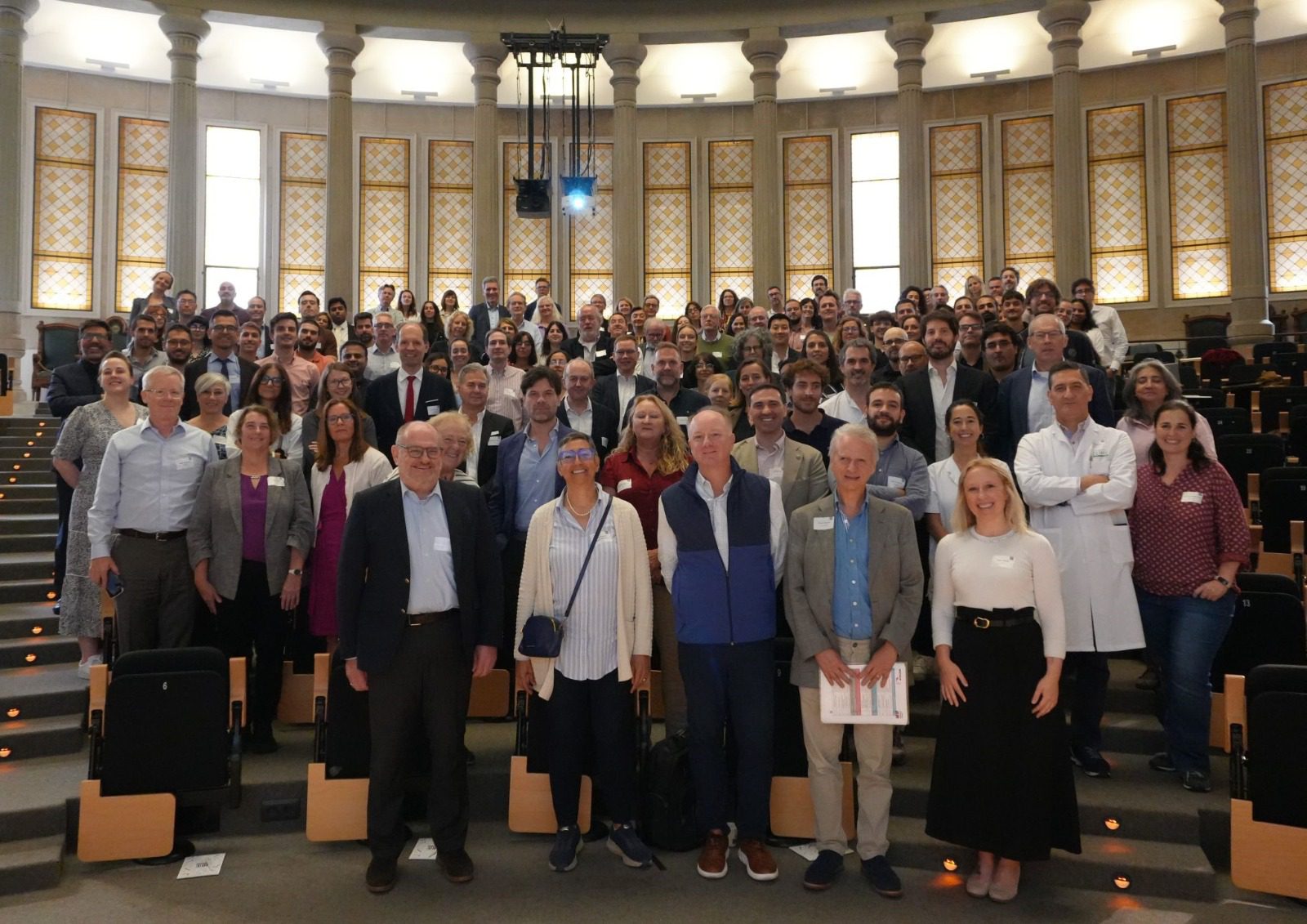
On 27 April, the 1st Andalusian Conference on 22q11.2 Syndrome: From Research to Society took place.
22q11.2 syndrome is the most common condition in humans caused by a chromosomal deletion or duplication: a genetic abnormality affecting a small section of chromosome 22.
The University of Granada, GENyO and the 22q11.2 Syndrome Association of Andalusia have organised the 1st Andalusian Conference on 22q11.2 Syndrome: from research to society.
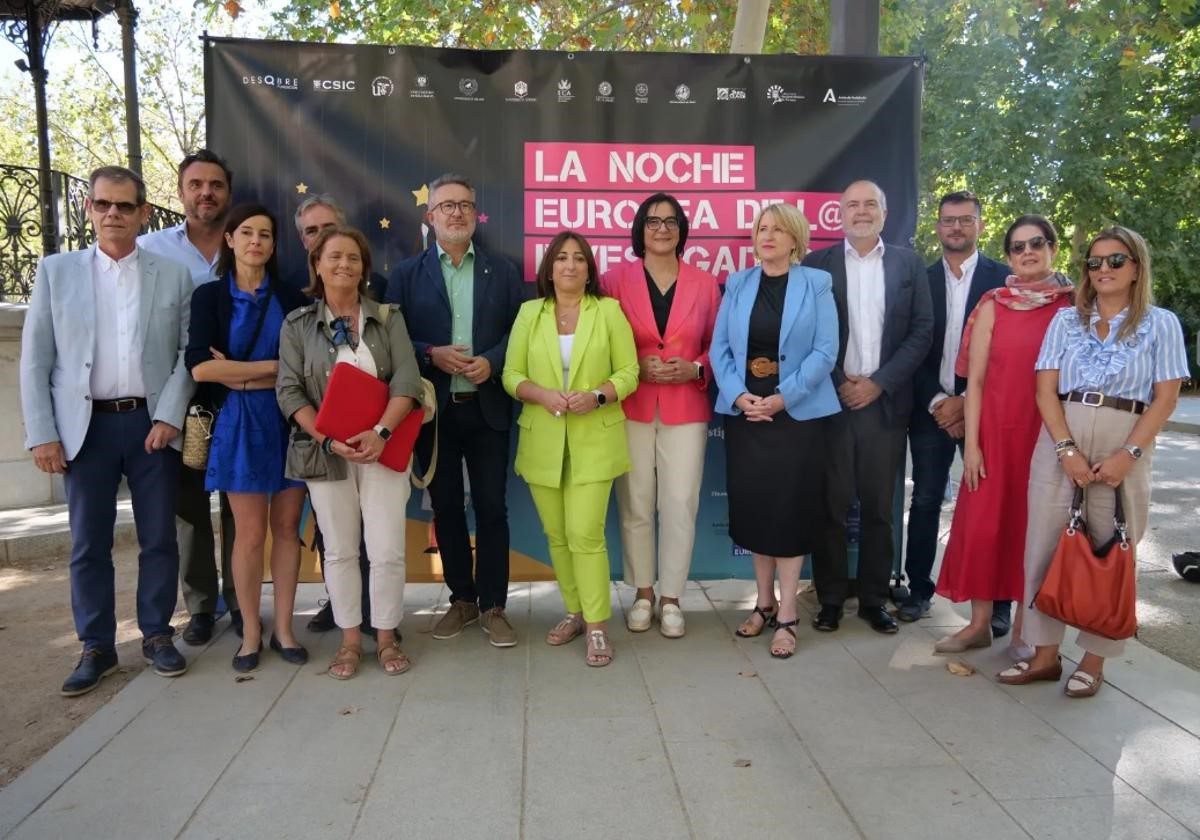
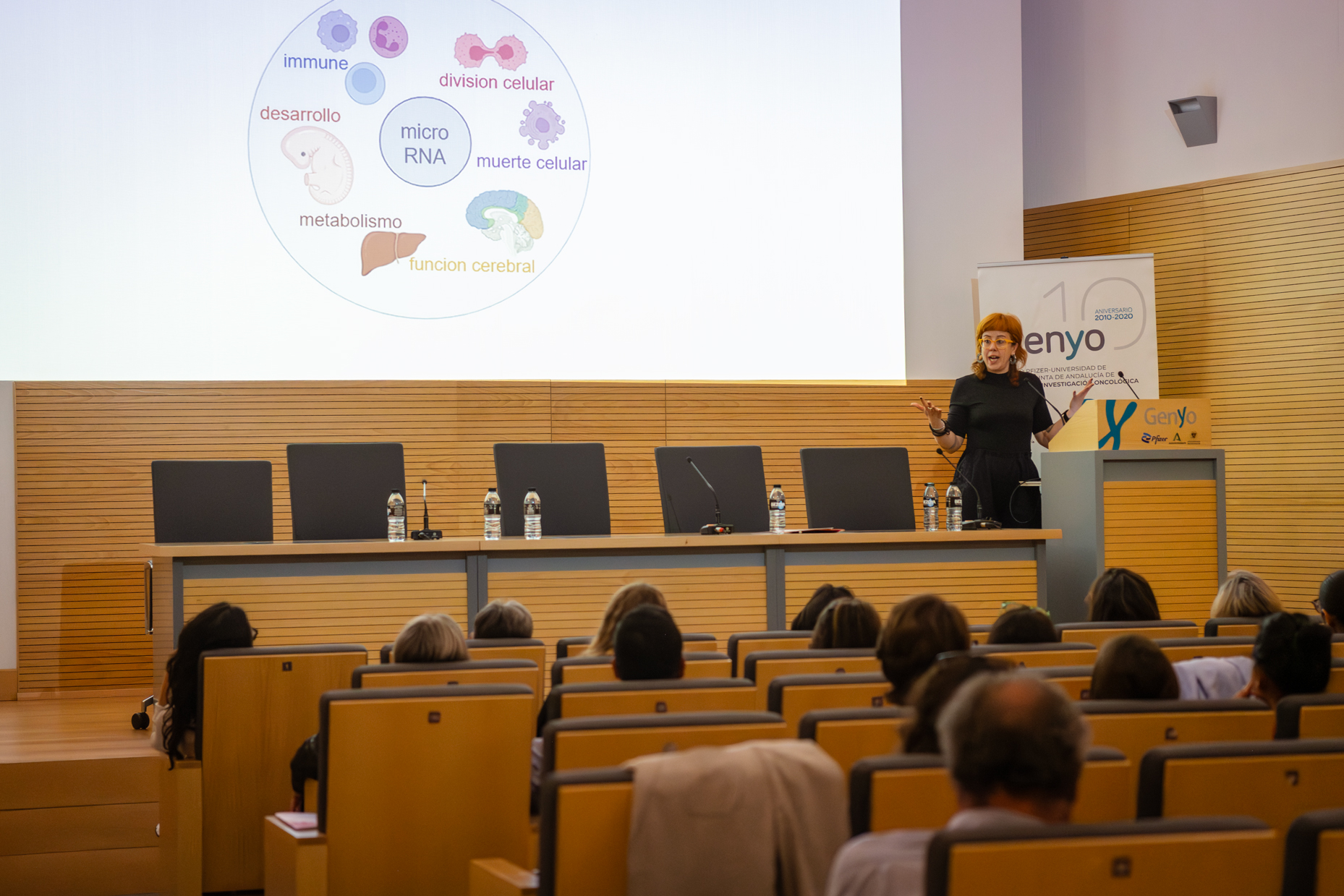
The event, held at the GENyO Centre on 27 April, was attended by Mr Indalecio Sánchez Montesinos, Regional Minister for Health and Consumer Affairs in Granada, who, alongside Dr Sara Rodríguez Heras (researcher at the Department of Biochemistry and Molecular Biology II at the University of Granada and at GENyO) and Ms Nancy Maturana Soto (22q Syndrome Association of Andalusia), opened this forum for experts to share knowledge and disseminate information on the research, diagnosis and monitoring of this syndrome.
These inaugural conference sessions, which brought together professionals from various fields (such as psychology, psychiatry, neuropaediatrics, genetics and immunology) and institutions (the University of Edinburgh, H. U. San Cecilio, Virgen de las Nieves University Hospital and the Institut Pere Mata University Hospital), aimed to link basic research, clinical practice and the psychoeducational approach with the experiences of patients and their families.
The conference took the form of presentations and a round-table discussion, which served to highlight current scientific developments, clinical realities and the needs of those affected and their families.
22q11.2 syndrome
22q11.2 deletion syndrome is the most common condition in humans caused by a chromosomal deletion or duplication. This abnormality occurs spontaneously, without the parents having the condition or being carriers.
It is estimated to affect 1 in every 3,000 live births. It is one of the most common syndromes and, at the same time, one of the least understood.
More than 180 clinical signs or symptoms have been described for this syndrome (congenital heart defects, feeding difficulties, immune system disorders, refractive errors, psychomotor delay, hearing difficulties, psychological problems, delayed language acquisition, etc.); they are so extremely variable that they frequently lead to clinical misunderstandings, delayed diagnosis and increased morbidity.
Its clinical presentation is so varied that it is sometimes difficult to diagnose: many cases are underdiagnosed. Hence the need for research, awareness and better understanding and coordination of care.
Although there is currently no cure, follow-up by a multidisciplinary team improves patients’ quality of life.
Dr Sara Rodríguez Heras’s research
22q11.2 syndrome is caused by the loss of a segment of chromosome 22 containing around 50 genes. Identifying which of these genes are primarily responsible for each of the symptoms experienced by patients is crucial to understanding this highly complex syndrome.
The research programme led by Dr Sara Rodríguez Heras aims to identify new therapeutic targets that will lead to the development of treatments for patients with 22q11.2 syndrome, using cellular models that replicate the genetic alteration found in these patients to understand what happens to these cells and what molecular mechanism causes the problems in embryonic development that ultimately lead to the clinical manifestations seen in these patients.
The 22q11.2 Syndrome Association of Andalusia
The 22q11.2 Syndrome Association of Andalusia, which provides support to those affected and their families, is a non-profit organisation whose objectives—in addition to promoting basic and clinical research—are to promote appropriate treatments for people affected by 22q11. 2, to promote and raise awareness within the healthcare sector of the need for a multidisciplinary approach, to promote comprehensive and interdisciplinary care for those affected, and to raise public awareness and provide information about 22q11.2 Syndrome.
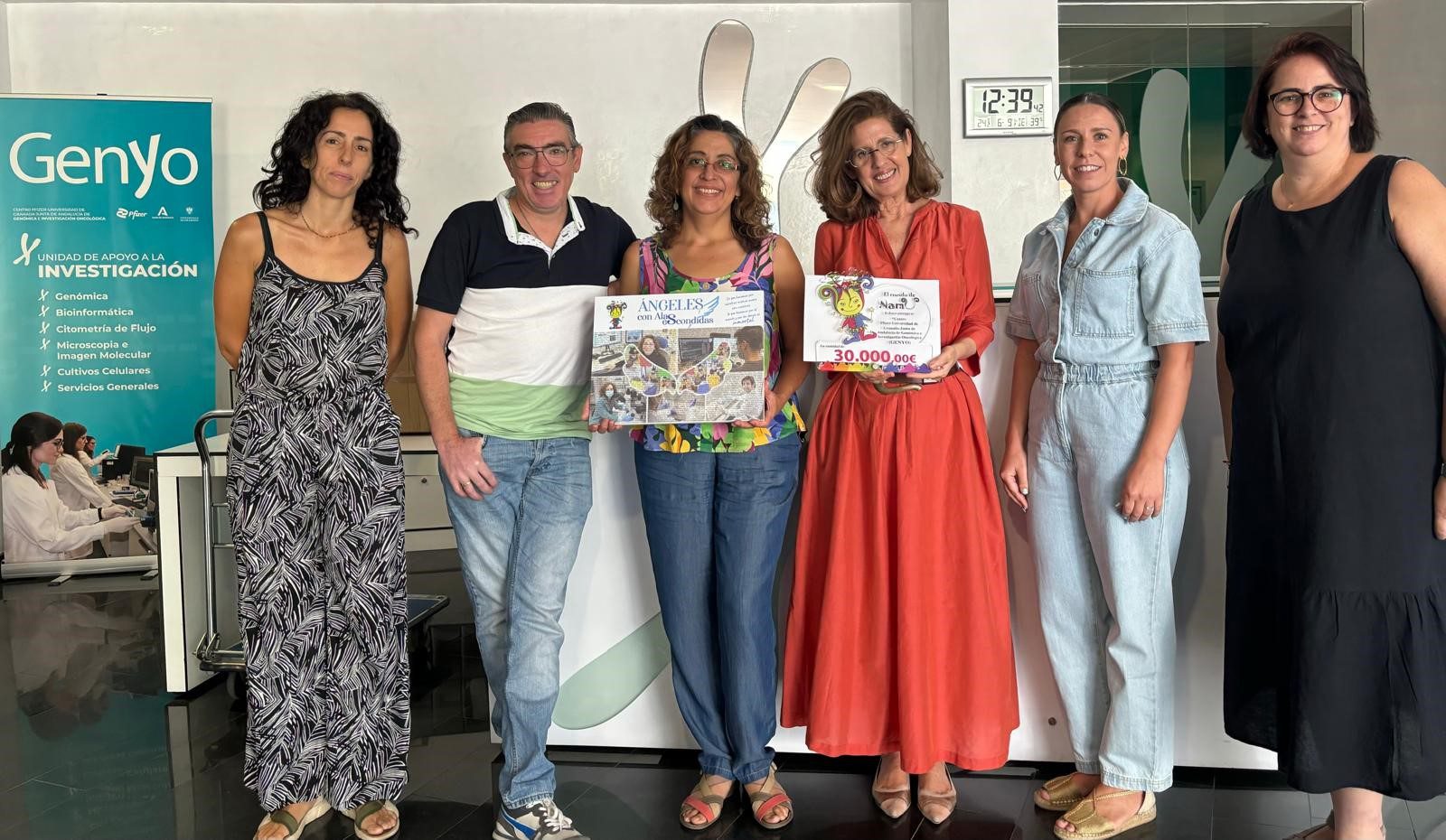
The Association has been collaborating for years with the research led by Dr Sara Rodríguez Heras, helping to fund the studies carried out by her team.
More information
22q11.2 Syndrome Association of Andalusia: https://www.22qandalucia.es
Sara Rodríguez Heras
Department of Biochemistry and Molecular Biology II
Email: sararheras@ugr.es
See more news