There are no projects in the garbage can.
Researcher Marta Alarcón is taking part in the ULTIMA project, which has been awarded the Lupus Research Alliance’s 2026 Global Team Science Award.
This award comes with a grant of 3 million dollars to advance personalised medicine for these patients.
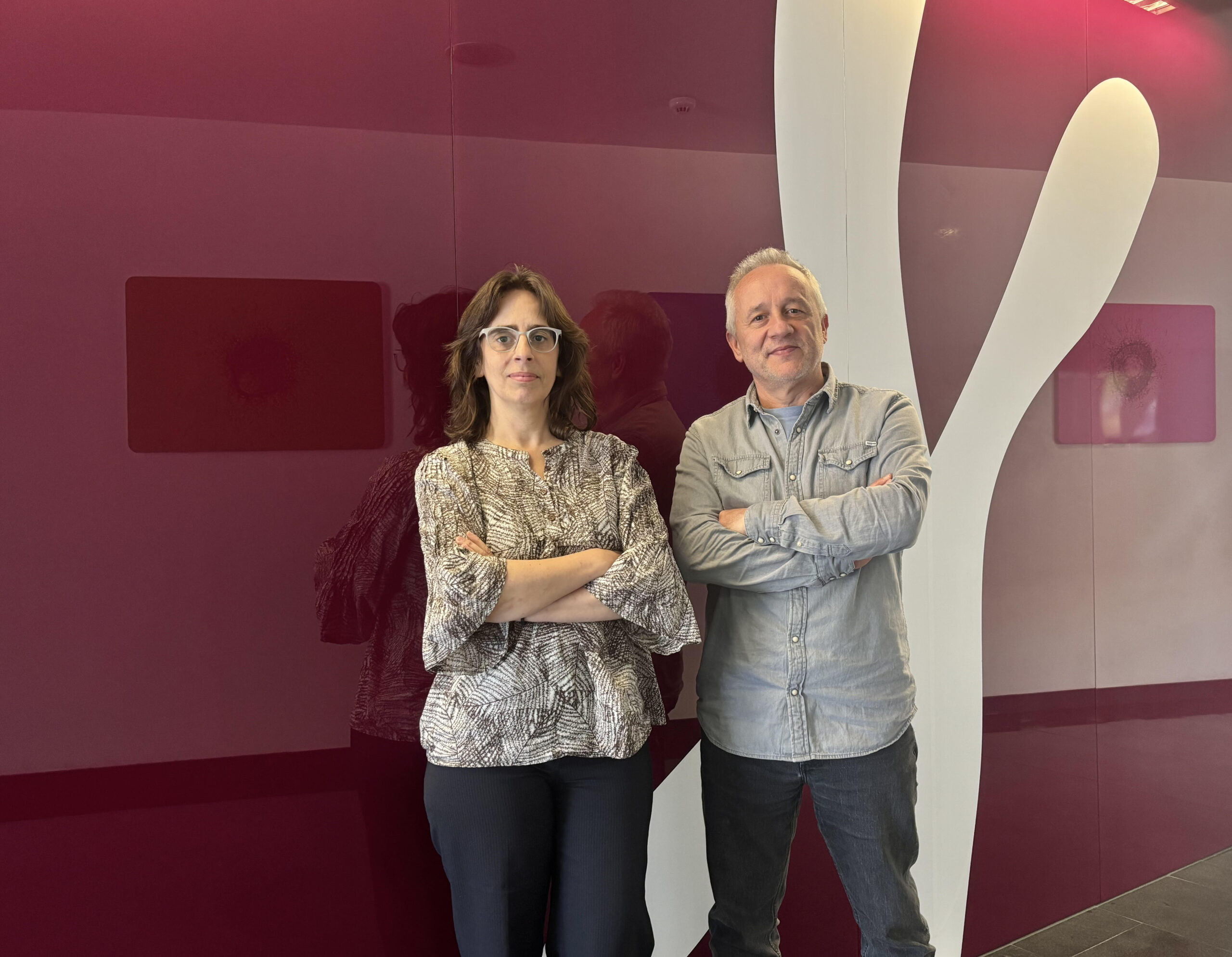
Marta E. Alarcón Riquelme, has been recognised as one of the principal investigators on the international team honoured with the 2026 Global Team Science Award, presented by the US-based Lupus Research Alliance (LRA), one of the leading international organisations dedicated to funding research into lupus.
This prestigious accolade, accompanied by funding of three million dollars for the research team as a whole, will enable the development of the ULTIMA (Untangling Lupus Through Integrative Multi-Omics Approaches) project, an international scientific initiative that aims to transform the approach to lupus through tools capable of predicting which treatments may be most effective for each patient, anticipating the progression of the disease and identifying early signs of potential flare-ups.
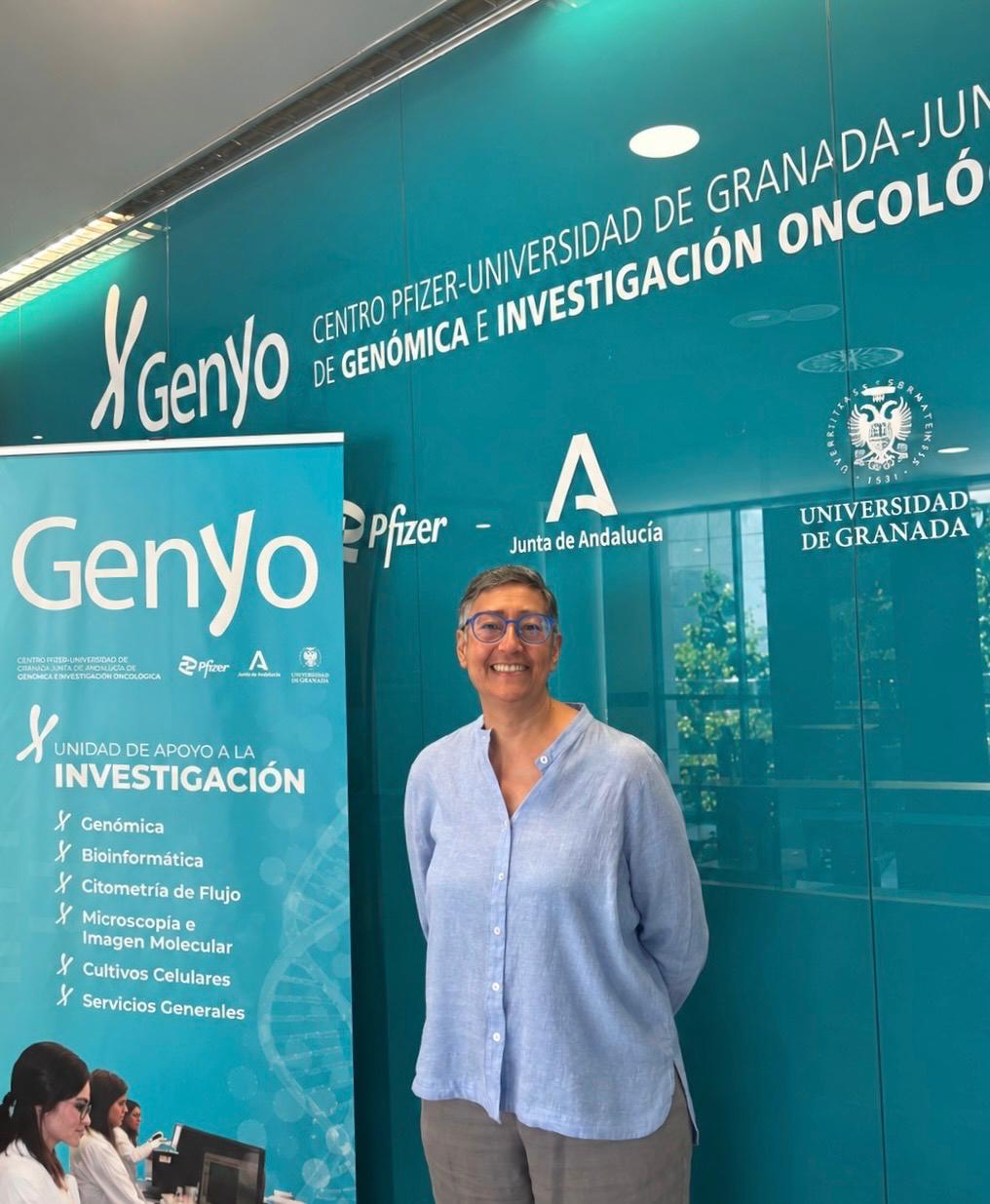
The project is led by Ioannis Parodis of the Karolinska Institute (Sweden) and brings together specialists from various European institutions. Alongside Alarcón Riquelme, a researcher affiliated with the FPS, the principal investigators include Ronald F. van Vollenhoven, from the University of Amsterdam (Netherlands); Lorenzo Beretta, from the Fondazione IRCCS Ca’ Granda Ospedale Maggiore Policlinico in Milan (Italy); and Guillermo Barturen, also a researcher at GENyO and the University of Granada.
Towards personalised medicine for people with lupus
Lupus is a chronic and complex autoimmune disease that occurs when the immune system mistakenly attacks the body’s own tissues and organs. It can affect different parts of the body, such as the skin, joints, kidneys, heart or nervous system, and its manifestations vary considerably from one patient to another.
This diversity presents one of the main challenges for its treatment. Although there have been significant therapeutic advances in recent years, it remains difficult to determine which medicines will be most effective for each individual and to predict when the disease might worsen.
To address this challenge, the ULTIMA project will apply multi-omics technologies, which enable the integrated study of different biological components and processes, with the aim of understanding the mechanisms that determine the progression of lupus and the response to treatments.
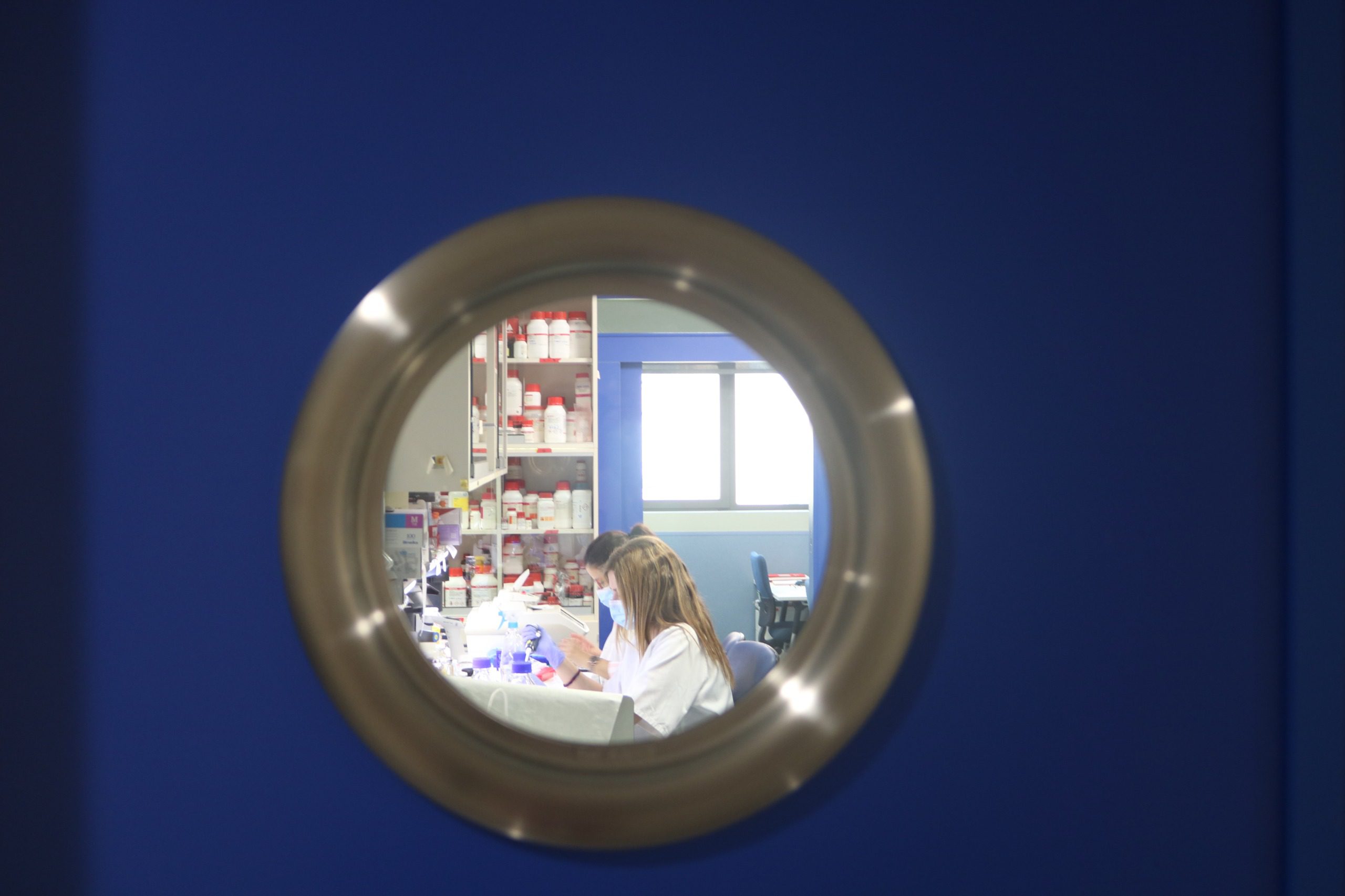
The team will analyse proteins, autoantibodies, genetic regulatory mechanisms and other molecular signals present in samples of blood, urine and even exhaled air. This data will be combined with clinical information collected over time to identify biological patterns associated with the progression of the disease.
Key processes to be studied include B-cell activation, interferon signalling and interactions between immune cells and tissues. Analysing these could facilitate the identification of new biomarkers capable of guiding treatment decisions and enabling the early detection of high-risk situations.
The ultimate aim is to move towards precision medicine, in which treatments are selected based on each patient’s biological characteristics, thereby reducing therapeutic uncertainty and helping to prevent flare-ups, irreversible organ damage and other complications associated with lupus.
GENyO strengthens its international standing in autoimmune disease research
Alarcón Riquelme’s involvement in this project represents further recognition of her scientific career and her contribution to the study of the genetic and molecular basis of autoimmune diseases.
At GENyO, she leads the research group ‘Genetics and Genomics of Immune-Mediated Diseases’ and has an outstanding track record in coordinating international research initiatives.
Among the international initiatives in which she has participated, the European 3TR project stands out as one of the largest immunology research initiatives developed under the Innovative Medicines Initiative (IMI2). This project, which is now in its final phase, has brought together scientific institutions, clinical centres and companies from various European countries to understand the mechanisms of response and resistance to treatments in different immune-mediated diseases. Her research has contributed to advances in the molecular characterisation of patients with lupus and in the identification of biomarkers associated with the progression of the disease.
The inclusion of GENyO’s scientific director in the team awarded the 2026 Global Team Science Award reinforces the presence of research carried out in Granada within international networks of excellence and highlights the importance of collaboration between institutions in tackling complex diseases.
Recognising excellence in collaborative research
The Global Team Science Award is one of the Lupus Research Alliance’s flagship funding programmes. Since its launch in 2021, it has supported nine research teams from twelve countries, promoting multidisciplinary projects that combine expertise, technologies and resources from different institutions to accelerate the development of new therapeutic strategies.
The awarding of this prize to the ULTIMA team highlights the importance of international scientific cooperation and the potential of advanced technologies to improve our understanding of a disease that affects millions of people worldwide.
With this new accolade, GENyO reinforces its commitment to biomedical research of the highest calibre, aimed at translating scientific advances into clinical practice and improving the quality of life for people affected by complex diseases such as lupus.
See more news