
There are no projects in the garbage can.
The new technologies installed in the Cytometry and Microscopy Units are now operational, and the centre’s staff have taken part in a number of specialist training sessions to make the most of their capabilities.
The Pfizer–University of Granada–Regional Government of Andalusia Centre for Genomics and Cancer Research (GENyO) continues to make progress in upgrading its scientific infrastructure with the commissioning of new, state-of-the-art equipment recently installed in its Cytometry and Microscopy Units.
The acquisition of this equipment has been made possible thanks to the University of Granada and funding awarded under the State Sub-programme for Scientific and Technical Infrastructure and Equipment of the Ministry of Science, Innovation and Universities, with a total investment of over 2 million euros: 1.02 million allocated to the Microscopy Unit and 1.07 million to the Cytometry Unit.
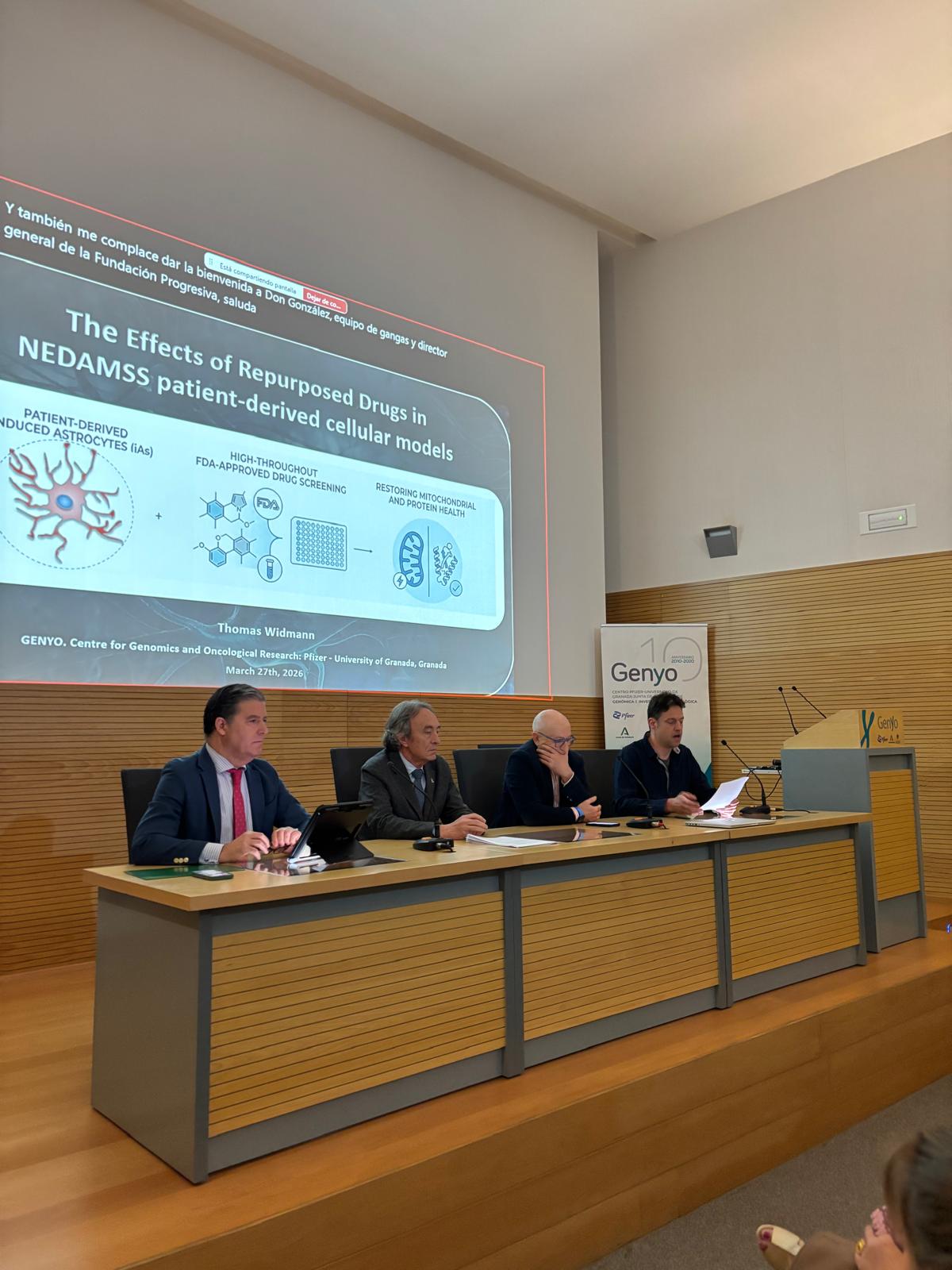
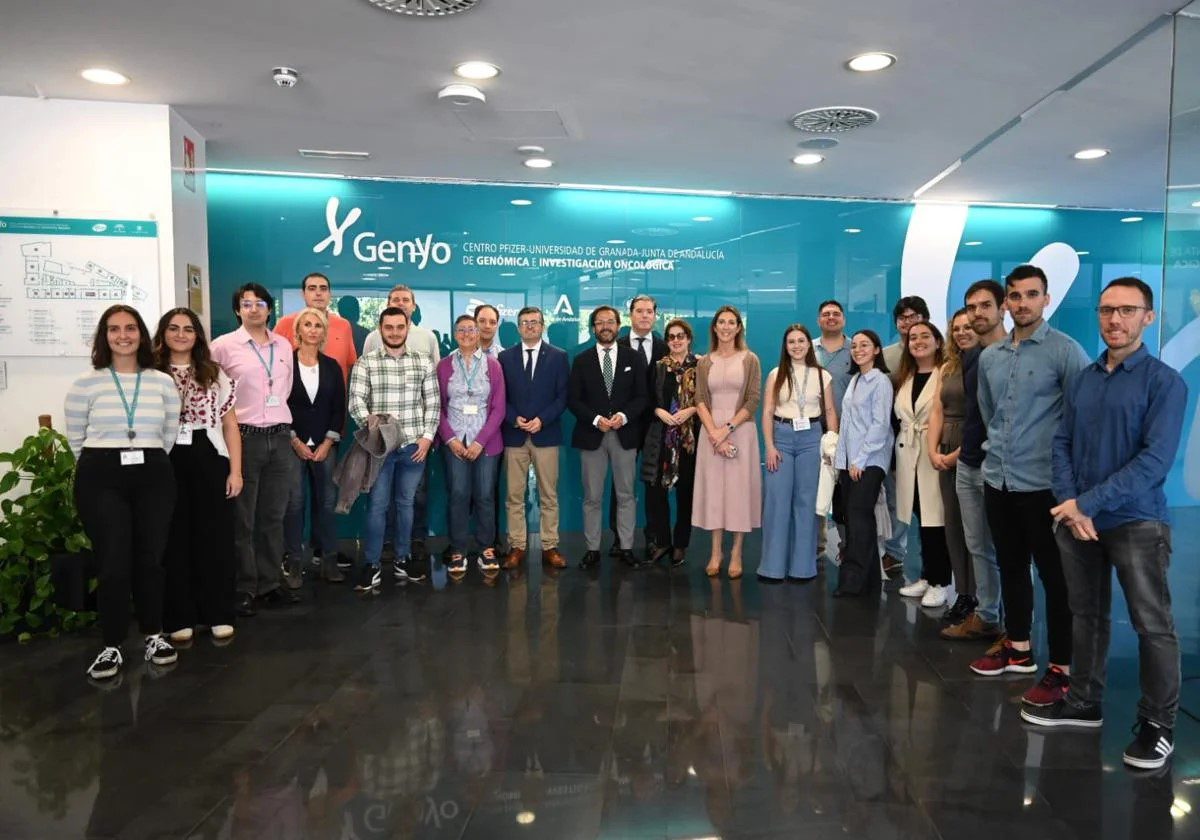
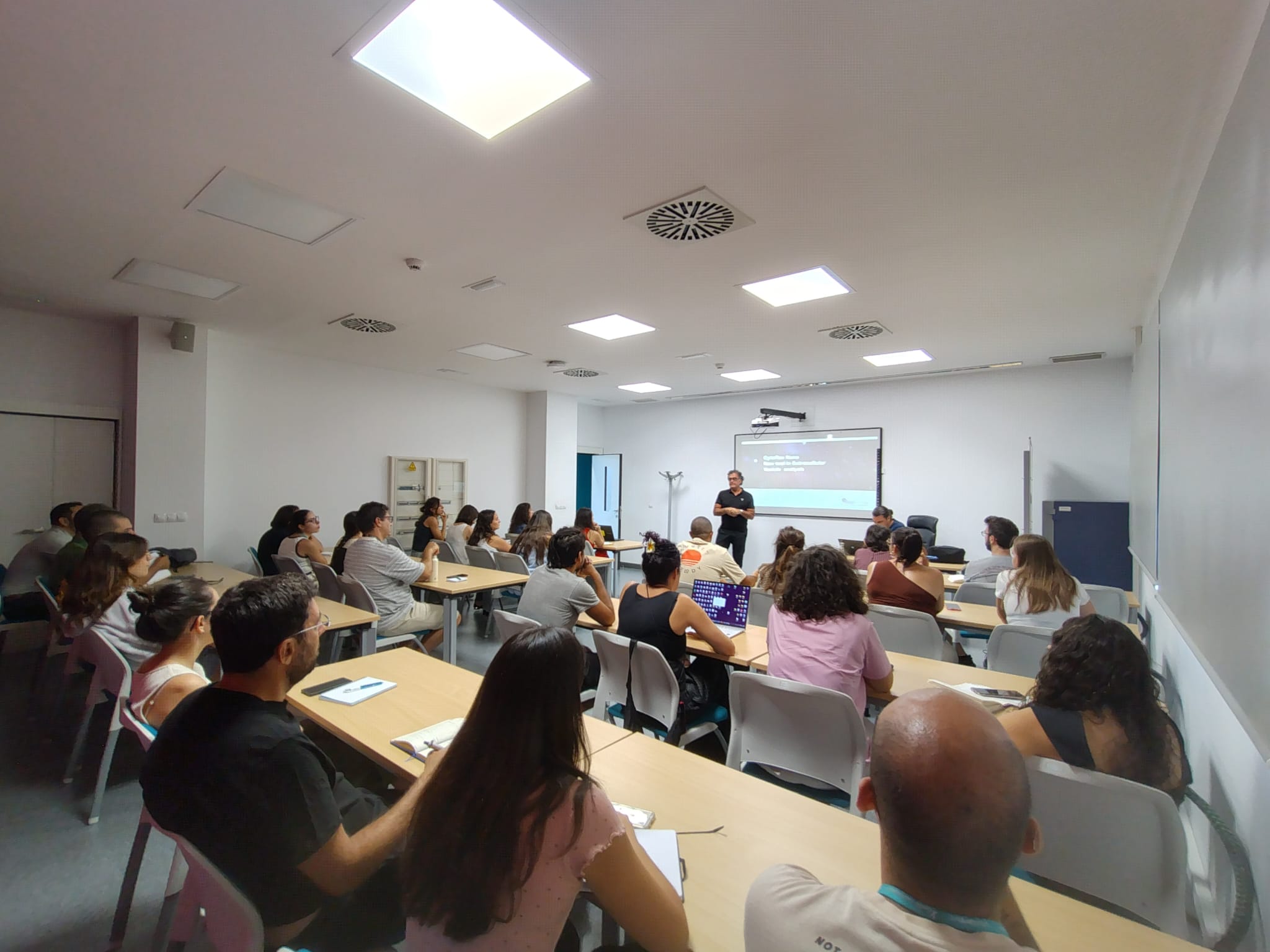
Following installation and commissioning, the new equipment is now operational at GENyO. At the same time, over the last few months, a series of presentation and technical training sessions have been held to raise awareness of the equipment’s capabilities and encourage its use in new research projects.
Advanced cytometry for cell and nanoparticle analysis
The Cytometry Unit is expanding its capabilities with three complementary technologies: the CytoFLEX Nano, specialising in nanoparticle analysis; the CytoFLEX mosaic Spectral Detection Module, designed for multi-parameter spectral cytometry; and the CyTOF XT Pro, which enables high-dimensional analysis at the single-cell level.
The CytoFLEX Nano, for which training was held in September with specialists from Beckman Coulter, enables the characterisation of biological and synthetic nanoparticles, such as extracellular vesicles, exosomes, viruses and lipoproteins, extending the scope of analysis beyond the dimensions achievable through conventional cytometry.
Also in September, training was completed on the CytoFLEX mosaic Spectral Detection Module, a spectral detection system that enables the number of markers analysed simultaneously to be increased and allows for more complex multi-parameter experiments.
Added to this is the CyTOF XT Pro, GENyO’s new mass cytometer. The instrument was unveiled last May by Standard BioTools at an event designed to showcase its capabilities and main applications. The introduction of the CyTOF XT Pro further strengthens a technology in which GENyO was a pioneer in Spain with the introduction of mass cytometry in 2015. The new system enables the simultaneous analysis of more than 50 parameters at the single-cell level, facilitating high-dimensional characterisation of cell populations.
Super-resolution microscopy and advanced image analysis
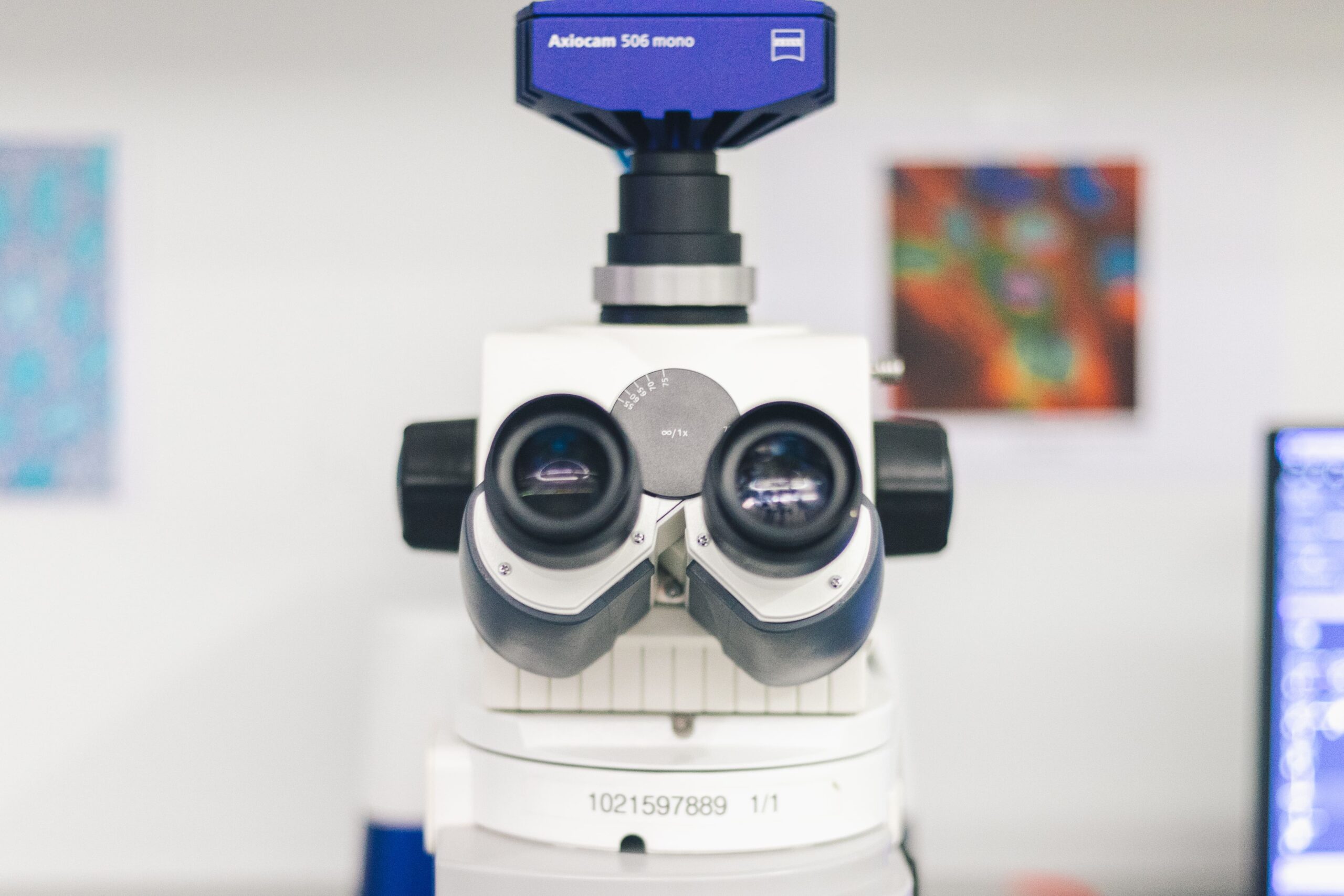
Technological modernisation has also reached the Microscopy Unit. At the end of February, Carl Zeiss held a presentation of the new ZEISS LSM 990 confocal microscope with the Airyscan 2 module. This is a state-of-the-art confocal microscope that incorporates a super-resolution module. The system enables a deeper understanding of cellular and subcellular structures, allows for the study of molecular localisation and organelle dynamics, and provides greater sensitivity, speed and resolution for the study of nanoparticles, extracellular vesicles and exosomes, amongst other biomedical applications.
In addition to the microscope, an advanced workstation for image analysis running Arivis Pro software was installed at the Unit; this facilitates the creation of workflows using machine learning and deep learning algorithms. This enables the automation and reproducibility of analysis results. Training on its use was provided last June.
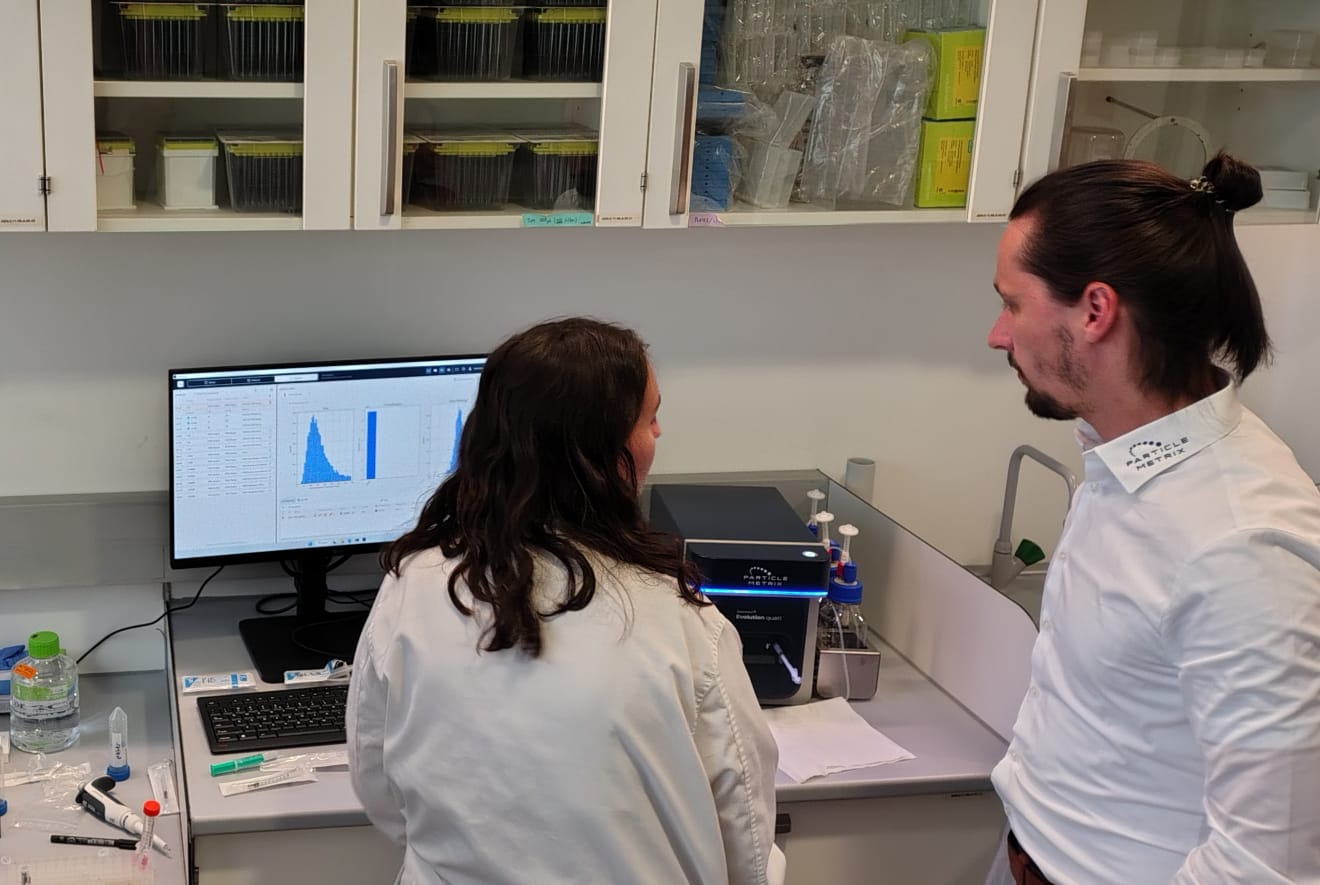
Also, last May, the Microscopy Unit acquired the ZetaView Evolution Quatt system, developed by Particle Metrix. This is a state-of-the-art nanoparticle tracking analysis (NTA) system that enables the movement of individual nanoparticles (such as extracellular vesicles, exosomes, liposomes, protein aggregates, viruses, etc.) in suspension to be tracked in order to determine their size, concentration and zeta potential. Furthermore, its four integrated lasers enable the assessment of particle fluorescence and the colocalisation between two selected pairs, thereby optimising experimental designs for numerous current and future lines of research.
New technologies available to the scientific community
The training sessions held over recent months also represent a crucial step towards applying these new technological capabilities to research practice and facilitating their integration into projects that require increasingly complex cellular, molecular and particle analyses.
With the commissioning of these new platforms and the training of the staff responsible for operating them, GENyO has completed a significant expansion of the capabilities of its Research Support Units. The new equipment will enable more complex studies to be undertaken in areas such as high-dimensional cellular analysis, the characterisation of nanoparticles and extracellular vesicles, and advanced microscopy, and will be available to both GENyO’s research groups and the scientific community.
See more news