
There are no projects in the garbage can.
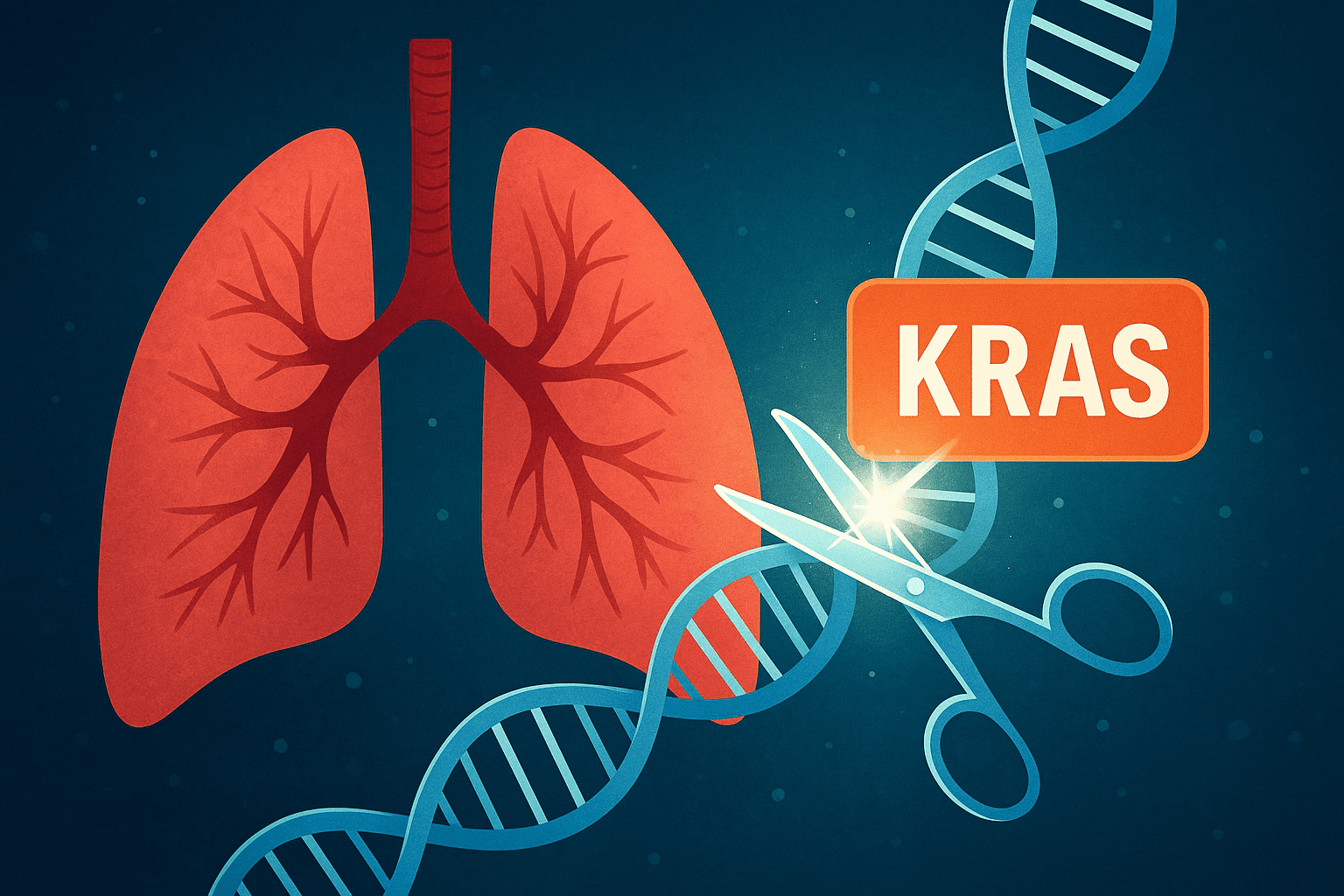
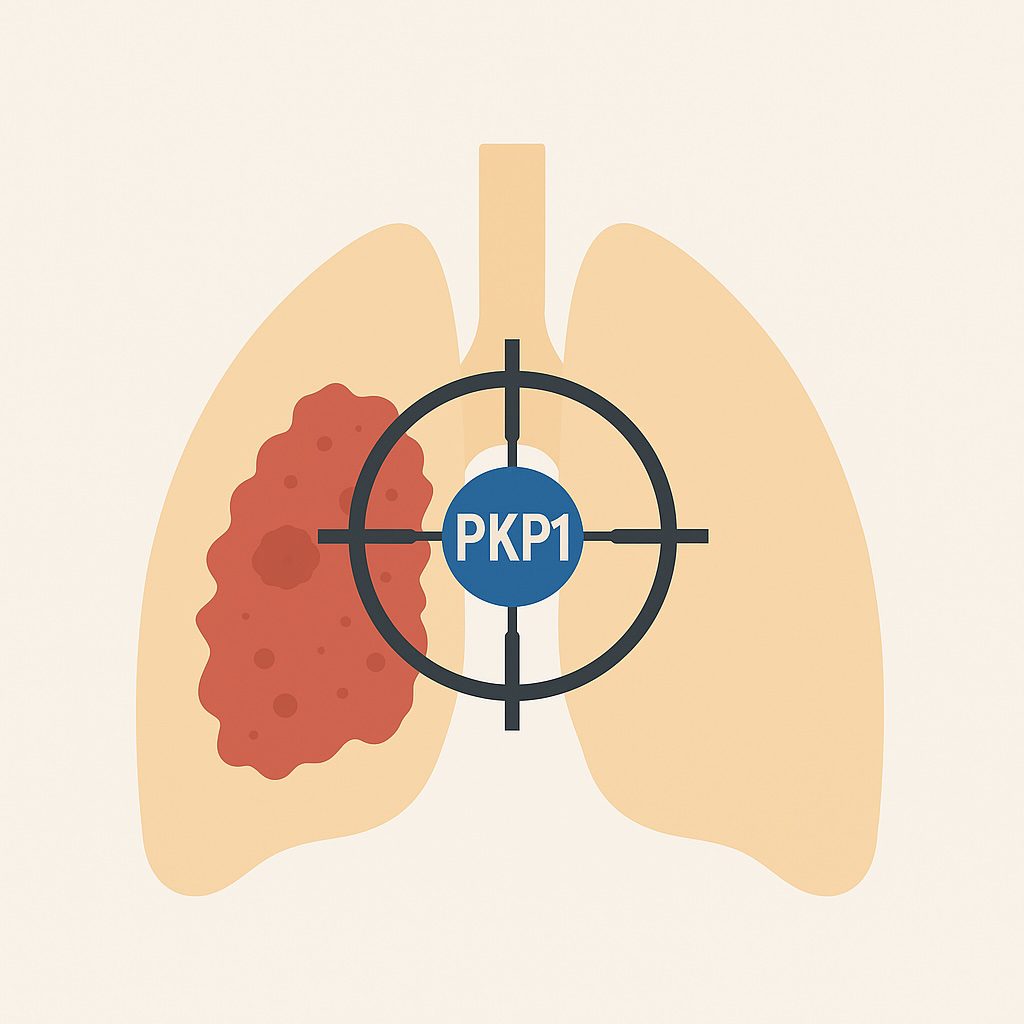
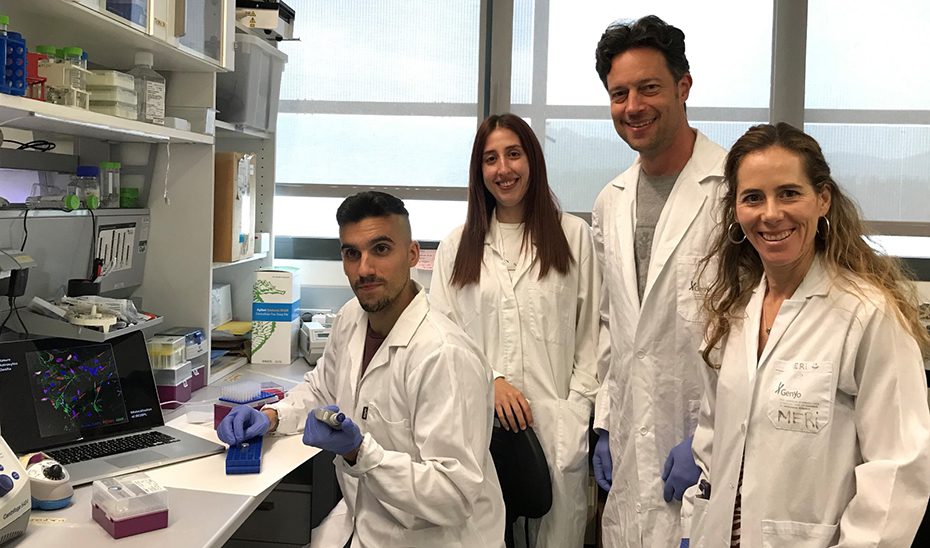
A team led by Pedro Medina, Professor of Biochemistry and Molecular Biology at the University of Granada and recipient of a Leonardo Grant in Biomedicine in 2014, has developed a new therapy, currently still at the experimental stage, to eliminate certain mutations in lung tumours that significantly worsen the prognosis. These mutations affect the KRAS gene, which until a few years ago was considered untouchable in oncology. The strategy has proven effective in the laboratory and opens the door to more durable therapies for the world’s deadliest cancer. The results are published in Nature Communications.
“Lung cancer is a silent disease,” explains Medina. “In its early stages, it causes few symptoms, or these are mistaken for common respiratory ailments. By the time clearer signs appear, the tumour is usually already at an advanced stage and, in many cases, has spread to other organs, which limits treatment options.” Although various screening technologies are being developed to detect cancer before symptoms appear, they are not yet fully established.
Furthermore, targeted therapies often lose their effectiveness due to the development of resistance. One of the main causes is the KRAS gene, which, under normal conditions, acts as a molecular switch responsible for telling cells when to grow and divide. However, if this gene undergoes mutations, the switch becomes unable to turn off, causing the cells to proliferate uncontrollably and the tumour to become highly aggressive. For these reasons, lung cancer is currently the leading cause of cancer death worldwide, according to the World Health Organisation.
Read the full story: https://www.redleonardo.es/noticias/pedro-medina-terapia-experimental-frenar-tumores-pulmon/
See more news