
There are no projects in the garbage can.
The Progreso y Salud Foundation, in collaboration with the University of Granada, is organising the first conference on this paediatric neurodegenerative condition, to be held at the GENyO Centre.
The Progreso y Salud Foundation, in collaboration with the University of Granada, is organising the first conference on this paediatric neurodegenerative condition
There are 14 people diagnosed in Spain and 250 worldwide.
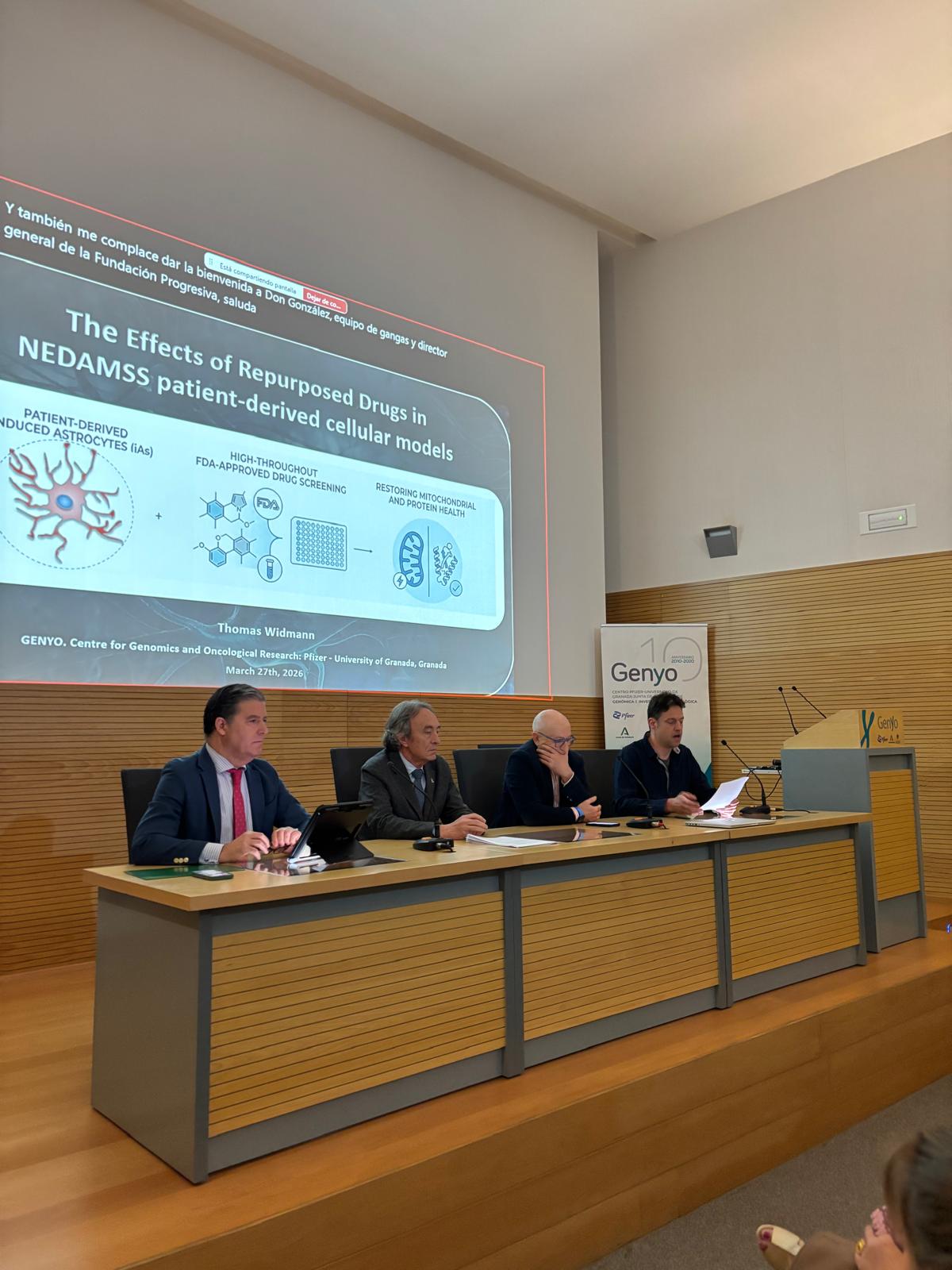
Research and innovation as indispensable allies in understanding NEDAMSS and finding therapeutic solutions. This was the central theme of the 1st NEDAMSS In-Person Conference, held at the Genyo centre in Granada, which brought together researchers, neurologists, patients and their families.
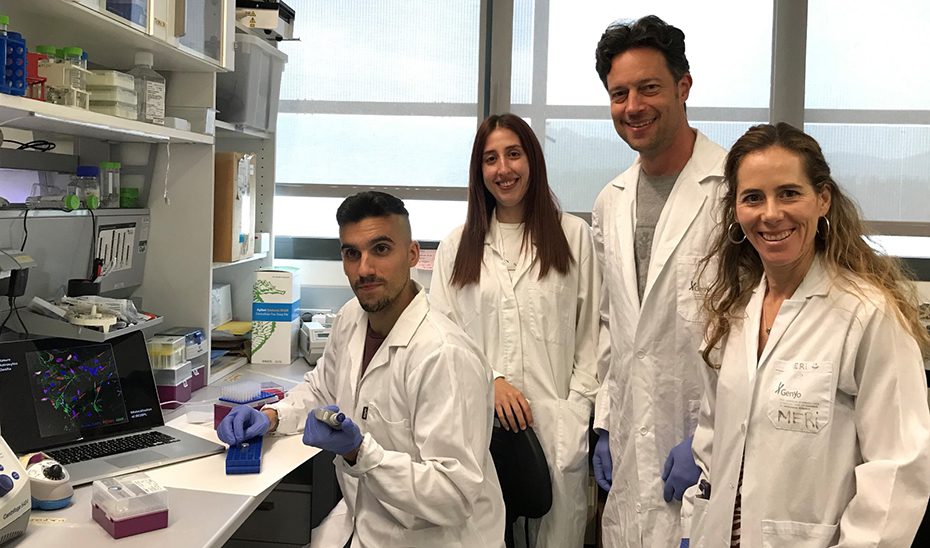
This meeting, held with the aim of highlighting the importance of research and innovation in advancing our understanding of this rare disease and developing potential therapeutic solutions, was attended by experts from Spain, Germany, Italy and the United States, including leading international figures such as Encarna Guillén, Kathrin Meyer, Ferdinando Fiumara and Pawel Lisowski. Under the scientific direction of Thomas Widmann, a researcher at the Progreso y Salud Foundation – an organisation under the Regional Ministry of Health, the Presidency and Emergencies – the meeting served as a forum to share progress on the main lines of ongoing research.
In this regard, Widmann emphasised that the conference had been organised with a twofold aim: “On the one hand, to promote collaboration between different laboratories and research teams in order to accelerate the search for a cure; and, on the other, to strengthen ties with families, who are the ultimate beneficiaries and the true reason for the research.”
During the meeting, two major therapeutic approaches were discussed in particular: the development of gene therapy strategies and the search for repurposed drugs that could offer an effective alternative in the short and medium term. Both approaches currently represent the main avenues of research for treating this neurodegenerative disease.
In this context, the managing director of the Progreso y Salud Foundation (FPS), Gonzalo Balbontín, thanked the “professionals who do not give up and continue to work every day to improve patients’ quality of life”, to whom he also made it clear that “our organisation’s commitment to research and innovation is steadfast and, consequently, so too is our commitment to patients and their families”. Balbontín placed particular emphasis on the Fundación Progreso y Salud’s commitment to promoting research into rare diseases and raising awareness of them.
The conference was also attended by the Regional Health Delegate for Granada, Indalecio Sánchez-Montesinos; and the Vice-Chancellor of the University of Granada (UGR), Enrique Viedma, who spearheaded the first research initiatives in this field. The commitment of the UGR, the FPS and the Regional Ministry of Health, the Presidency and Emergencies is essential to the progress of this research.
Dialogue between the scientific community and patients
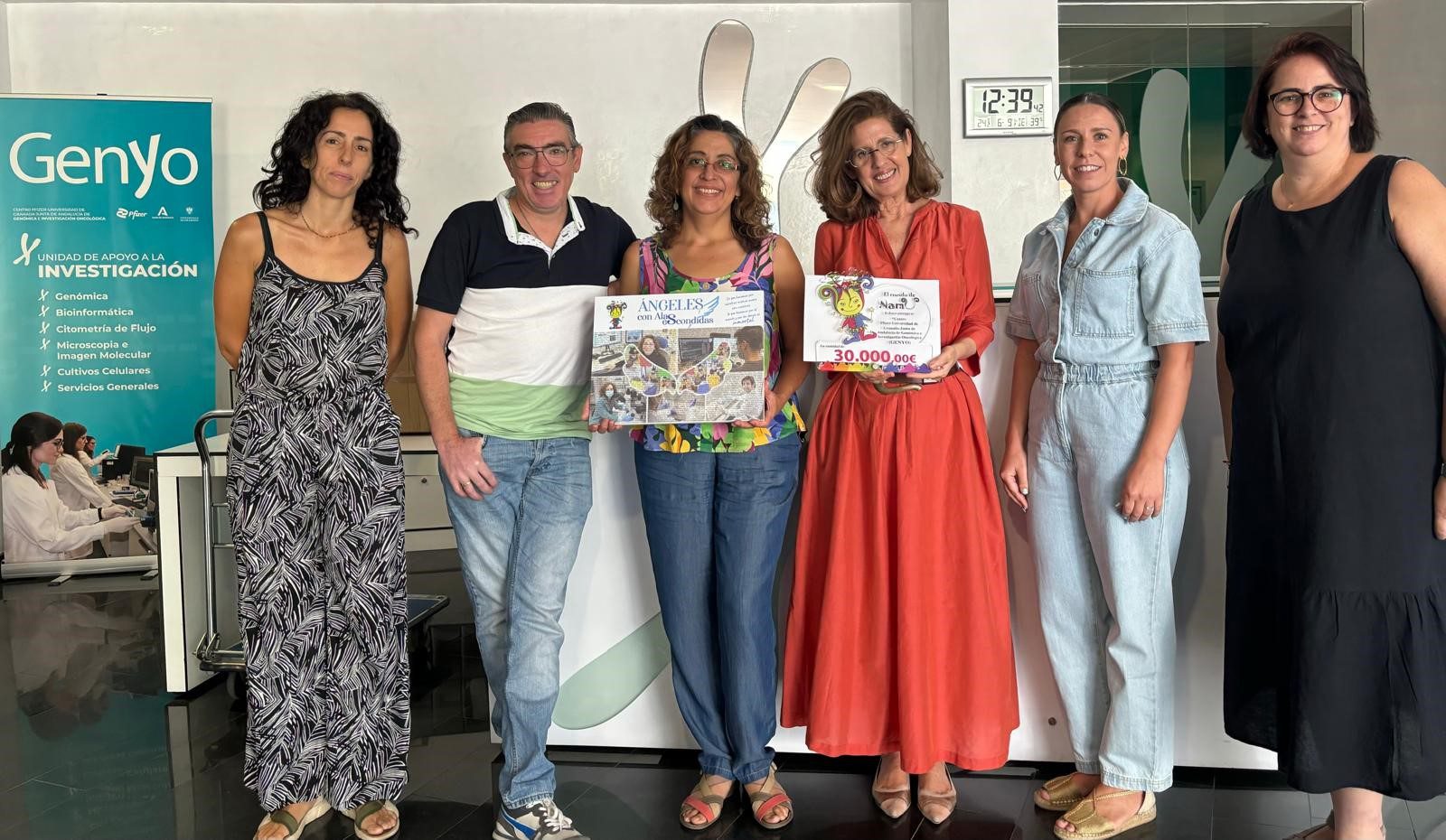
The event also served as a forum for reflection and dialogue between the scientific community and families, focusing on a holistic approach to the care of these patients. Families from Spain, France and the United States, among other parts of the world, took part both in person and online. In the case of Spain, attendees belonged to various patient associations involved in promoting research, such as the Spanish IRF2BPL Association, the Association for Elenita’s Smile, the Javi’s Angel Association and the Association for Nahel’s Smile. In Andalusia, there are currently two children diagnosed with this disease out of the 14 cases in Spain and the 250 worldwide. The strong drive and financial support from patient associations raising funds for research is crucial to enabling faster progress in the search for a treatment for this disease.
See more news