
There are no projects in the garbage can.
Dr Alejandro Prados, who has recently joined Dr Pedro Real’s group at GENyO, has arrived in Granada following a study he conducted in Barcelona that identifies a key mechanism by which metastatic colorectal cancer evades immunotherapy. His findings, which have been published and reported in various media outlets, open up new avenues for improving the immune response to this type of tumour.
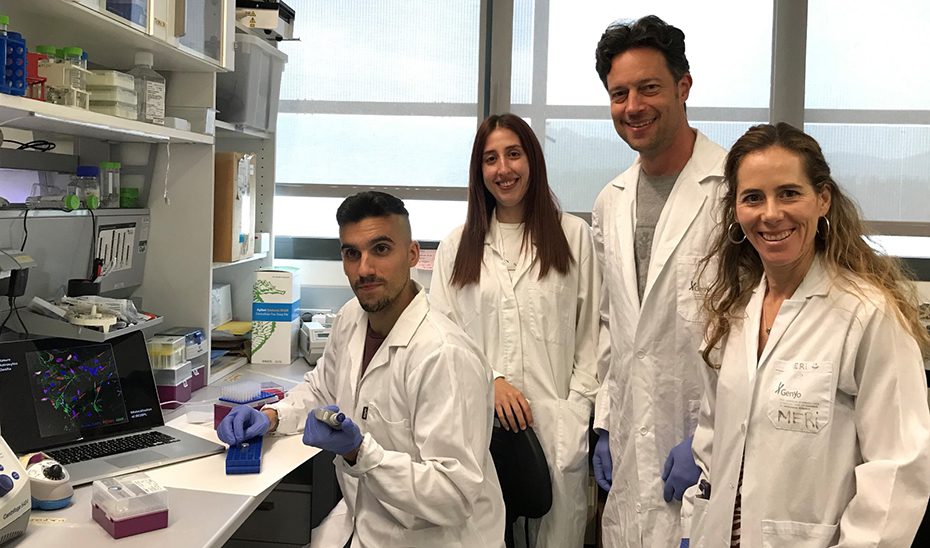
Ramón y Cajal researcher Alejandro Prados has joined the “Gene Regulation, Stem Cells and Development” group led by Dr Pedro Real, following his time at the Institute for Biomedical Research (IRB Barcelona). There, he carried out his scientific work in Dr Eduard Batlle’s laboratory, where, in close collaboration with Dr Holger Heyn’s group at the CNAG-CRG, he co-led a key study on the mechanisms of resistance to immunotherapy in metastatic colorectal cancer.
In this work, the researchers revealed the existence of a “double barrier” mediated by the hormone TGF-β, which limits the infiltration and function of T lymphocytes in liver metastases. Furthermore, they demonstrated that this same pathway reprogrammes macrophages, generating a strongly immunosuppressive microenvironment that hinders the efficacy of immunotherapy.
The research, published in the journal *Nature Genetics*, demonstrates that inhibiting TGF-β enables immune cells to access the tumour and regain their cytotoxic capacity, opening up new opportunities for the development of more effective combination therapies against this type of tumour.
This step represents a strategic commitment to research excellence in the field of oncology, strengthening the centre’s capacity to lead the way in new therapeutic approaches to metastatic cancer.
Read the full article: https://www.irbbarcelona.org/en/news/scientific/colorectal-cancer-evades-immunotherapy-using-dual-barrier
Reference: https://www.nature.com/articles/s41588-025-02380-2
See more news