
There are no projects in the garbage can.
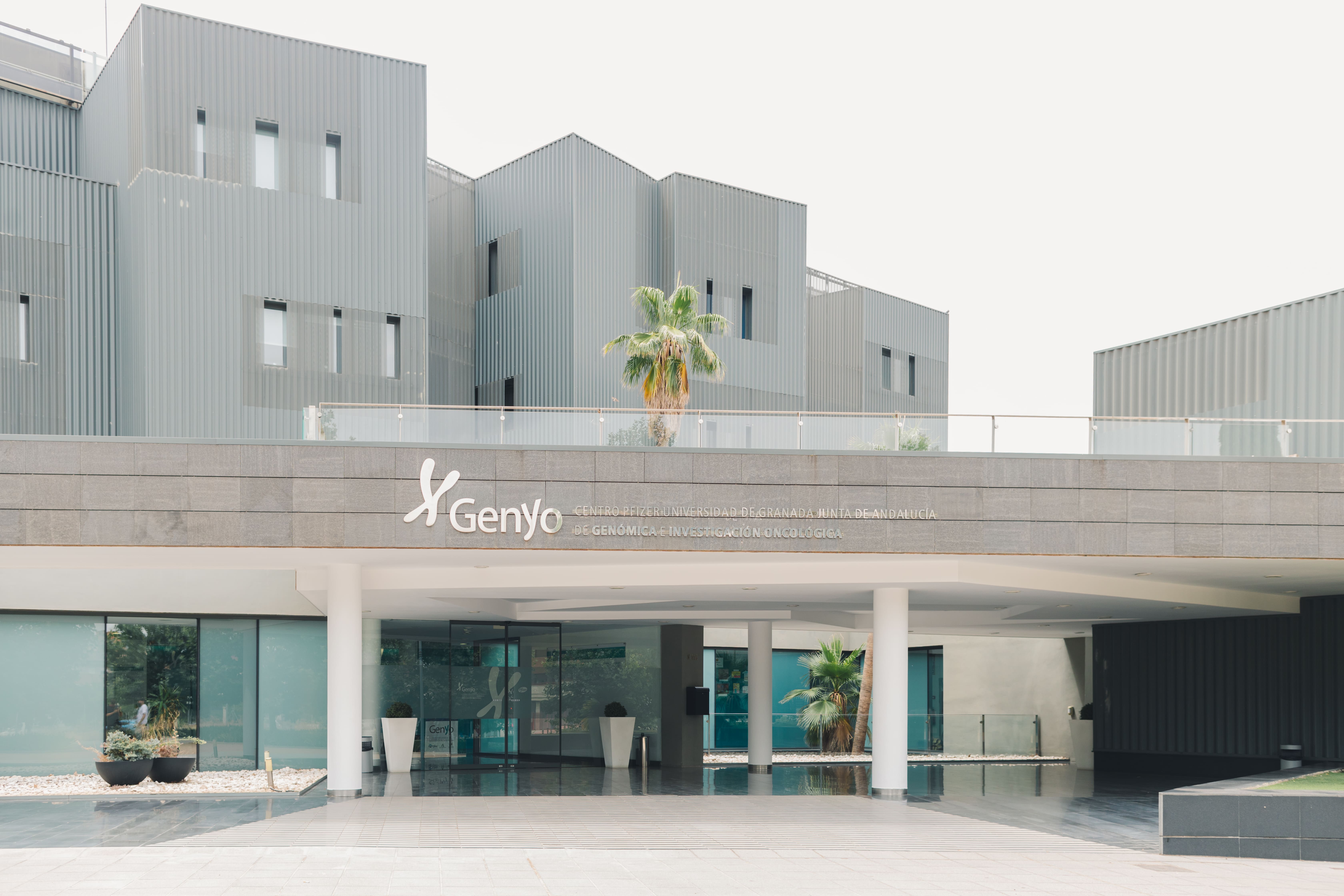
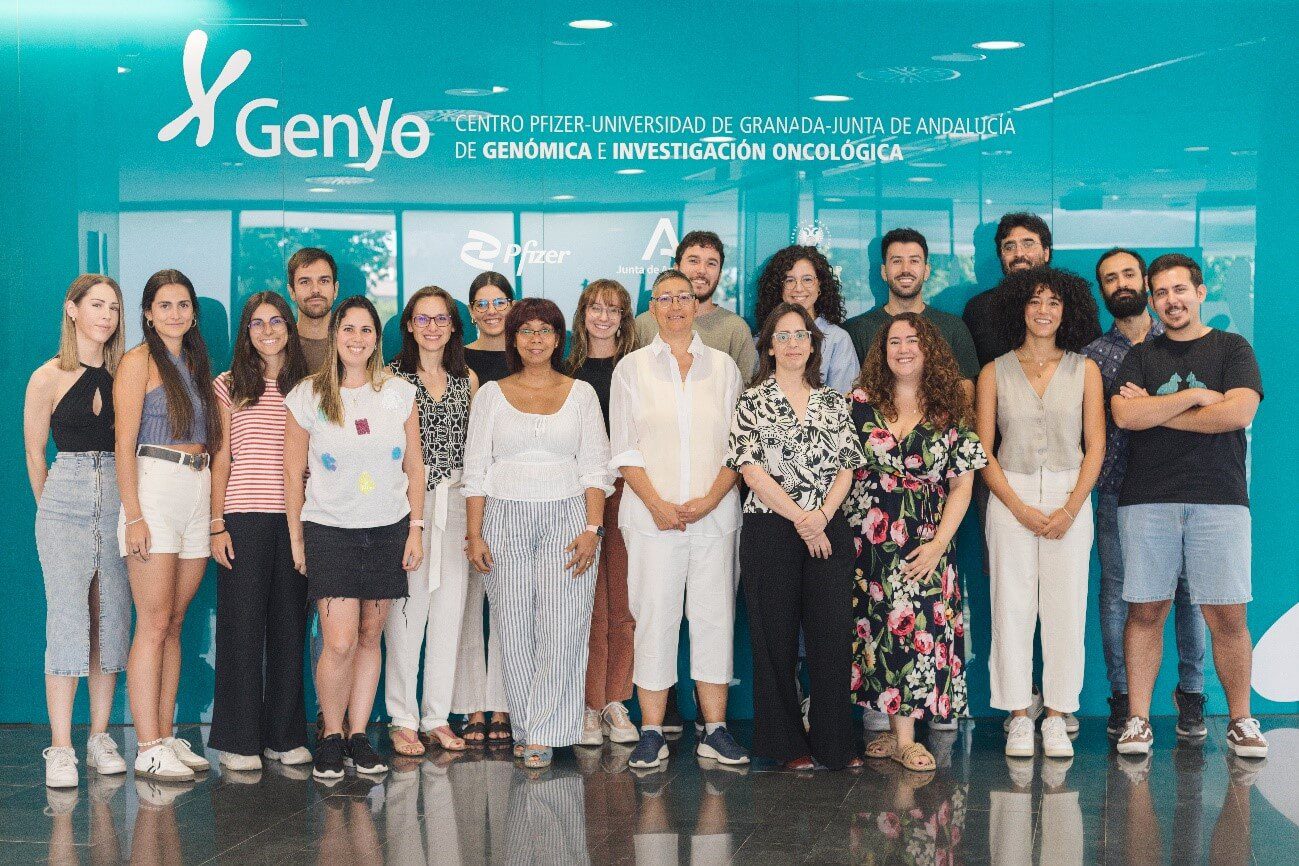
Researchers from GENyO, the University of Granada and the Granada Institute of Biomedical Research have identified a new molecular mechanism that contributes to the development and progression of lung cancer. The study focuses on the RBM10 gene, which is altered in some patients with this cancer, and reveals how its loss affects certain RNA molecules that play a key role in controlling tumour growth.
Lung cancer remains the leading cause of cancer-related deaths worldwide. According to the latest estimates from the World Health Organisation and the GLOBOCAN project, there are approximately 2.5 million new cases each year and over 1.8 million deaths, accounting for around 18% of all cancer deaths. In Spain, it remains the cancer with the highest mortality rate and is estimated to cause around 22,000 deaths in 2025 alone, according to data from the Spanish Society of Medical Oncology (SEOM). Despite advances, around 80% of lung cancer patients do not survive beyond five years after diagnosis, placing it among the cancers with the poorest prognosis and reinforcing the need for further research.
In the most common type of lung cancer, adenocarcinoma, RBM10 is among the genes most frequently found to be altered. This gene acts as an internal regulator of the cell, helping to determine how genetic instructions are used. When RBM10 does not function correctly, this control is lost and the tumour may grow more easily.
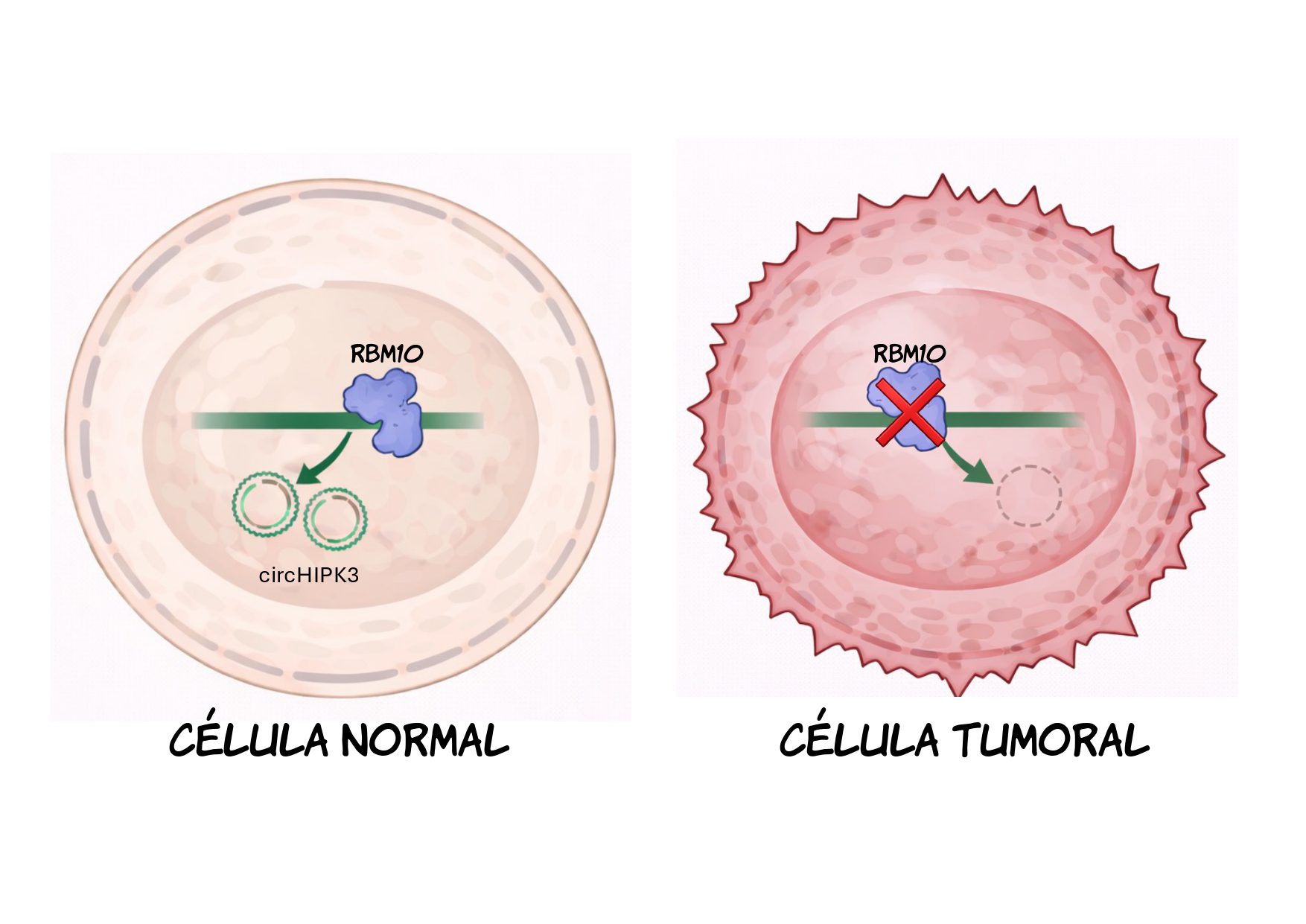
In this study, the researchers have shown that RBM10 influences the production of circular RNAs, molecules that do not produce proteins but help maintain balance within the cell. When the RBM10 gene functions correctly, it promotes the presence of certain circular RNAs that help slow tumour growth. When it is disrupted, these RNAs decrease and the tumour can progress more easily.
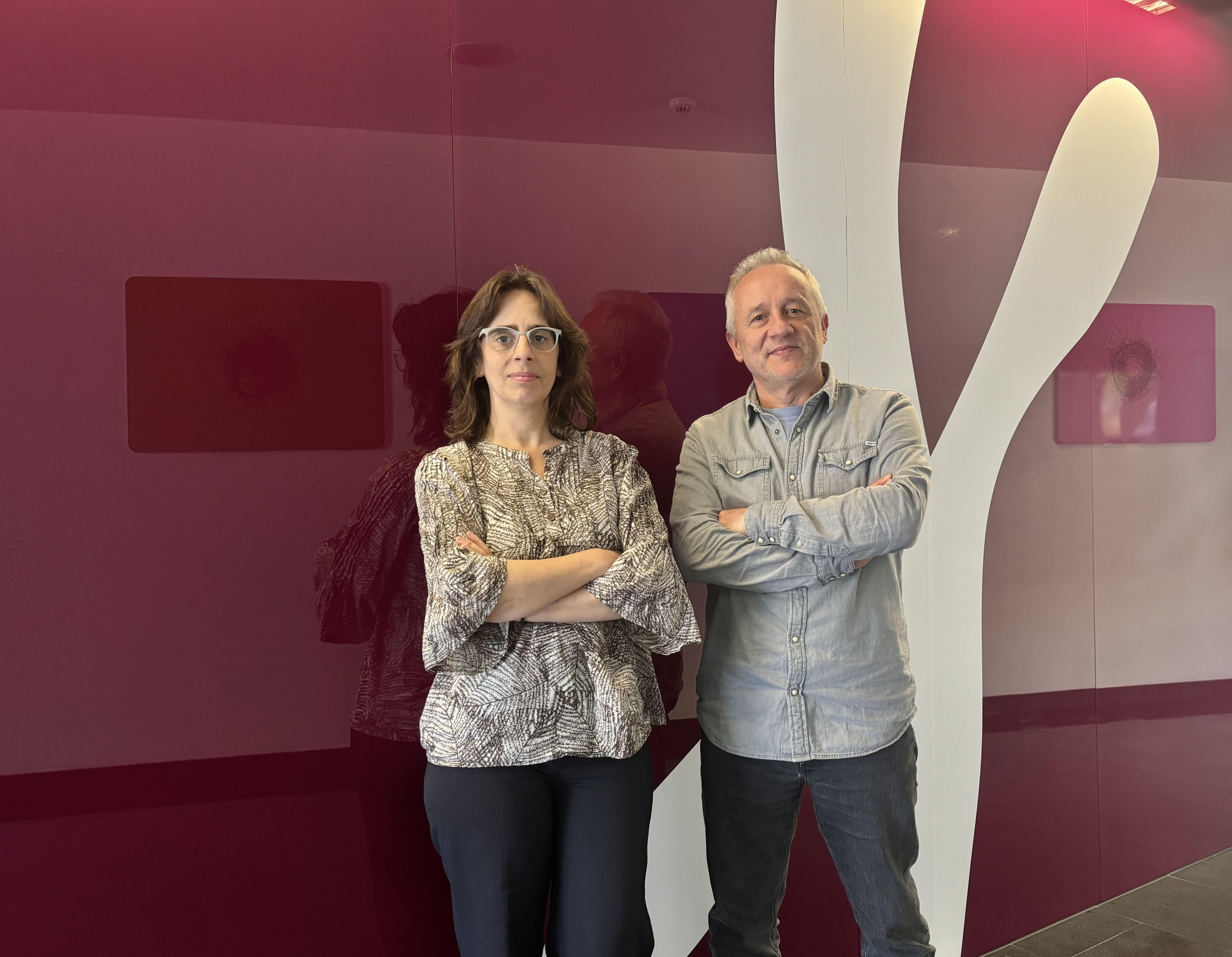
“We have seen that RBM10 acts as a kind of regulator,” explains Ana Utrilla, one of the study’s lead authors, alongside Ana Matía and Paola Peinado. “When this gene fails, the balance of these circular RNAs is disrupted and the cell loses some of its mechanisms for controlling cancer.”
One of these circular RNAs, called circHIPK3, is consistently found to be reduced in samples from lung cancer patients, particularly in tumours with mutations in RBM10. The researchers found that by restoring the levels of this circular RNA in tumour cells and in animal models, tumour growth was significantly reduced.
In addition to helping us better understand the mechanisms involved in tumour development, these findings could have potential clinical applications in the future. On the one hand, reduced levels of circHIPK3 could be used as a marker or biomarker to help identify certain tumour states. On the other hand, the study suggests that restoring the balance of these circular RNAs could become a new complementary strategy in certain patients; however, this is a preclinical finding and, for the time being, does not constitute an available therapeutic option, with further studies required to confirm its safety and efficacy.” “This study opens up a new avenue for developing more accurate diagnostic tools and, in the long term, new treatment options for patients whose tumours have lost this control mechanism,” says Pedro Pablo Medina Vico, professor at the University of Granada and director of the study.
This work has been funded by research projects from the Regional Government of Andalusia and the Spanish Government, as well as by private donations such as those from Rosario Martín of Écija, the ROLUCAN Association (Rota Fight Against Cancer) and the Spanish Association Against Cancer.
Study reference: RBM10 modulation of circRNA biogenesis contributes to its tumor suppressor role in lung adenocarcinoma. Biomarker Research (2026). https://doi.org/10.1186/s40364-026-00891-6
Contact: pedro.medina@genyo.es
See more news